
A Buffalo nickel cools in a calloused palm. With a broken knife or a homemade punch, a carver begins to change the Indian’s profile—hat brim, beard, eye—until a new face rides in a pocket, ready to trade for coffee, a blanket, or a laugh in the jungle.
Ethics lived in habits. Art lived in objects you could hold. American hobo culture left durable things: carved nickels, chip-carved wood called tramp art, chalk and paint monikers on steel, and the printed covers of radical songbooks. This chapter gathers those arts with names, methods, and sources—and separates legend from the catalog record.
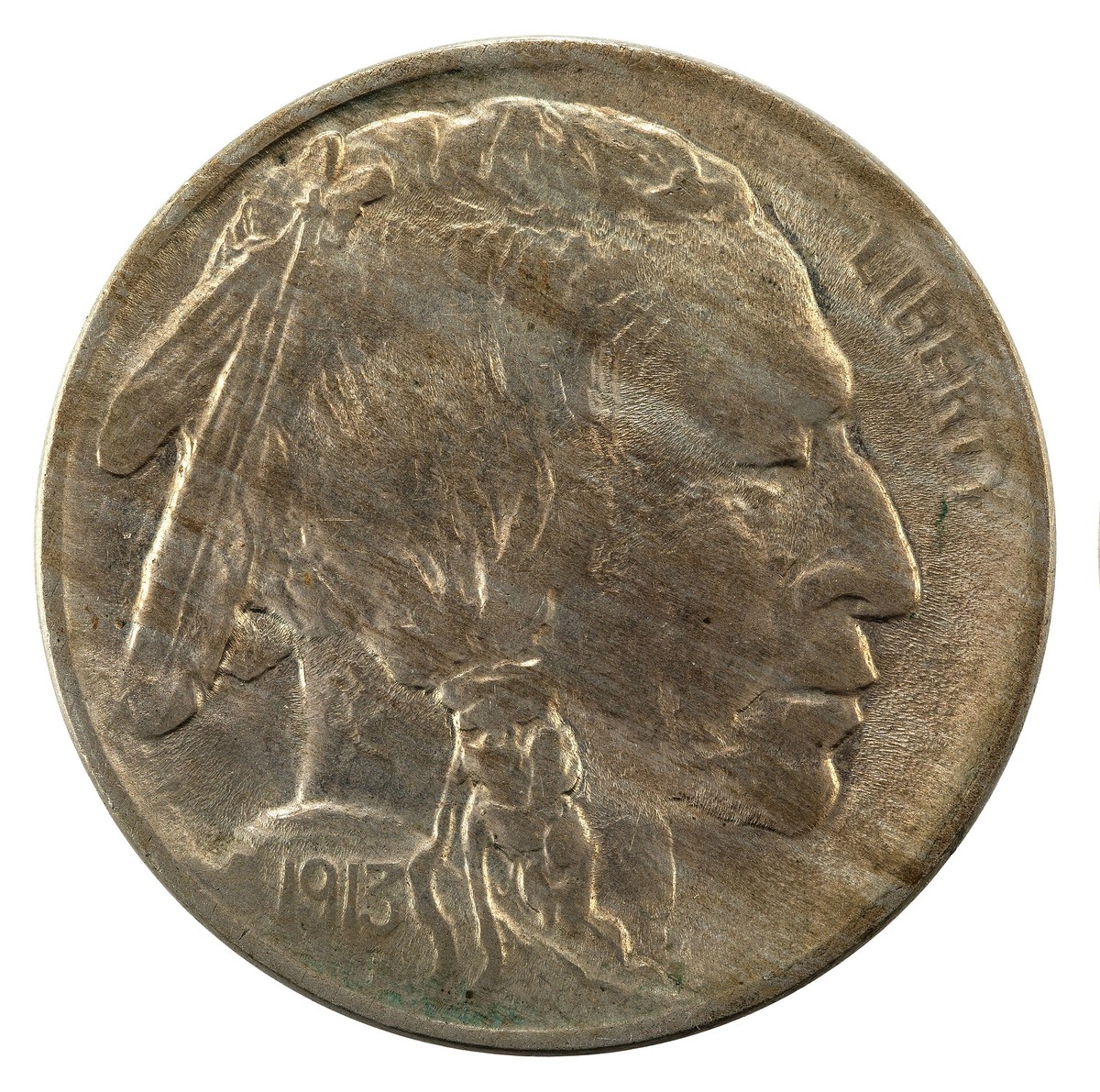

Hobo Nickels: Fraser’s Coin as Canvas
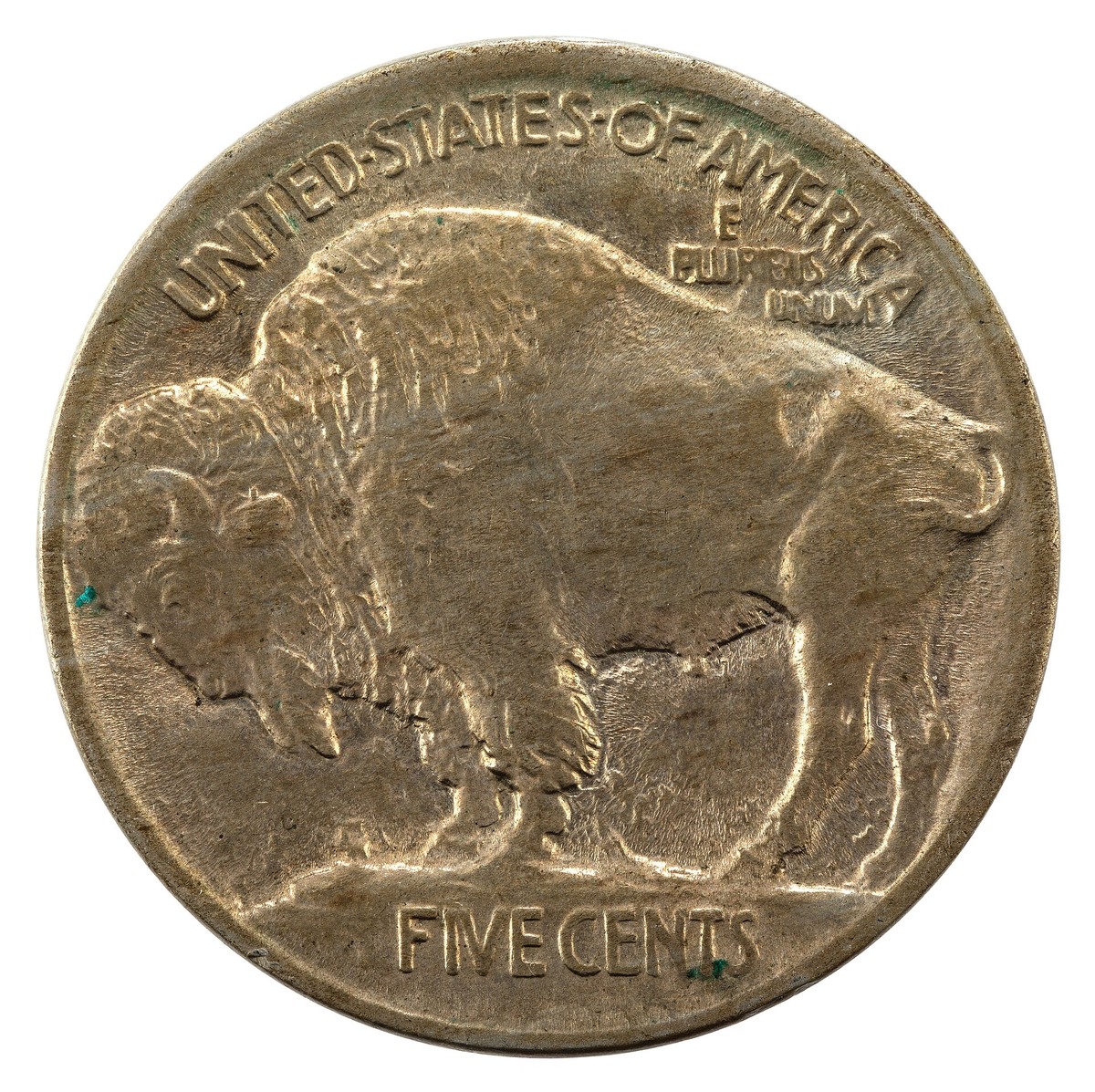
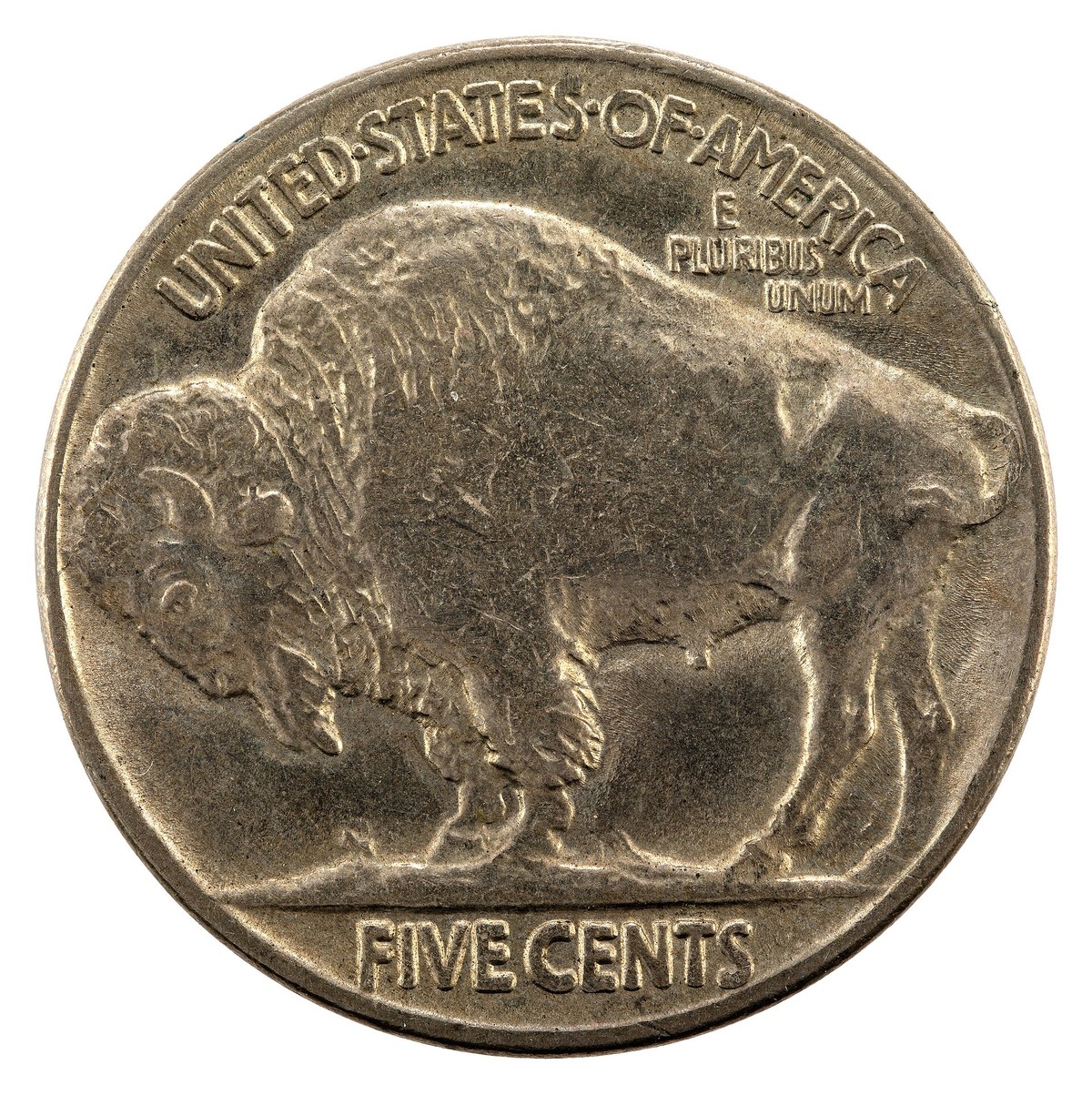
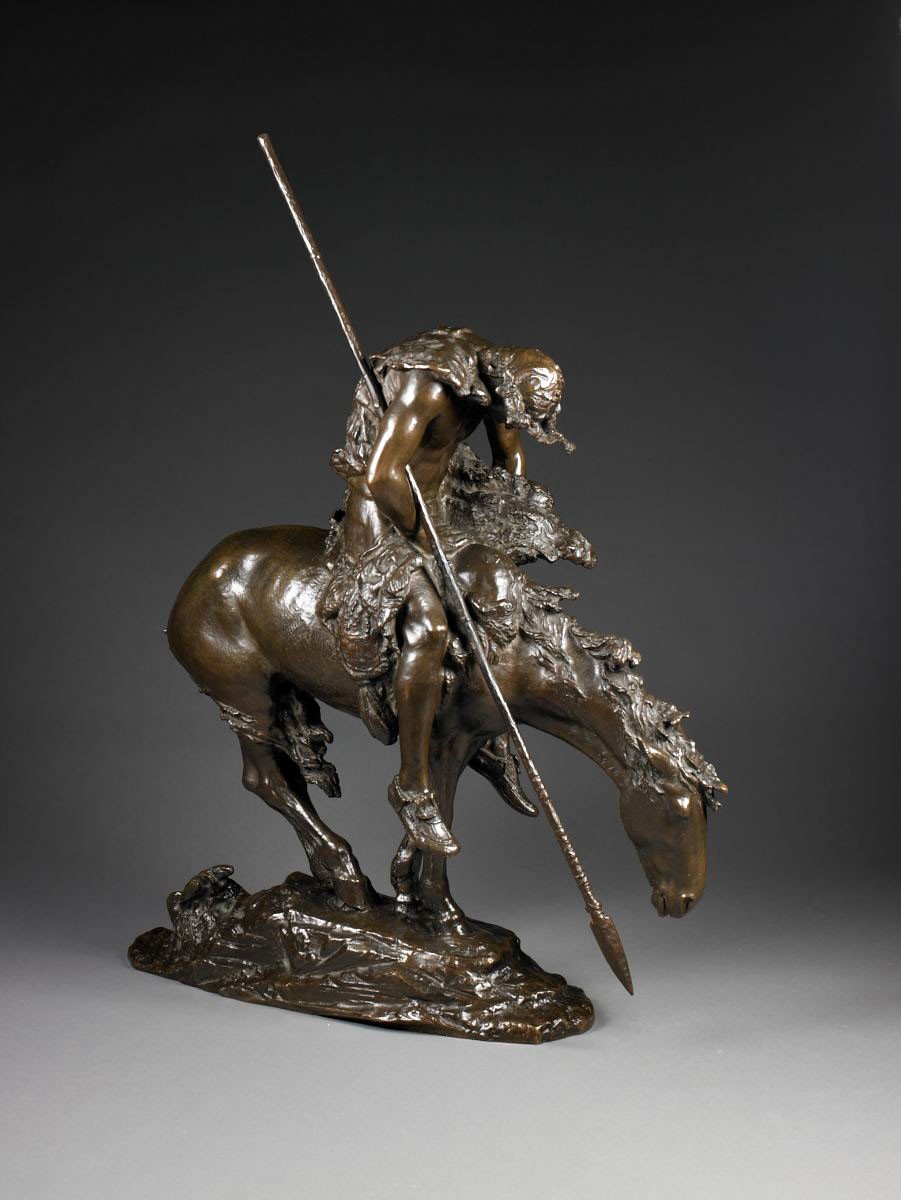
In 1913 the United States Mint released sculptor James Earle Fraser’s five-cent piece—an American Indian head on the obverse and an American bison on the reverse. Collectors call it the Buffalo or Indian Head nickel; it ran through 1938. Unlike earlier “Liberty” female profiles, Fraser’s design put a large male head on a relatively thick, soft copper-nickel planchet. That combination gave carvers room for a new hat brim, beard, ear, and collar—and a face value low enough that altering a coin for art or trade was affordable.
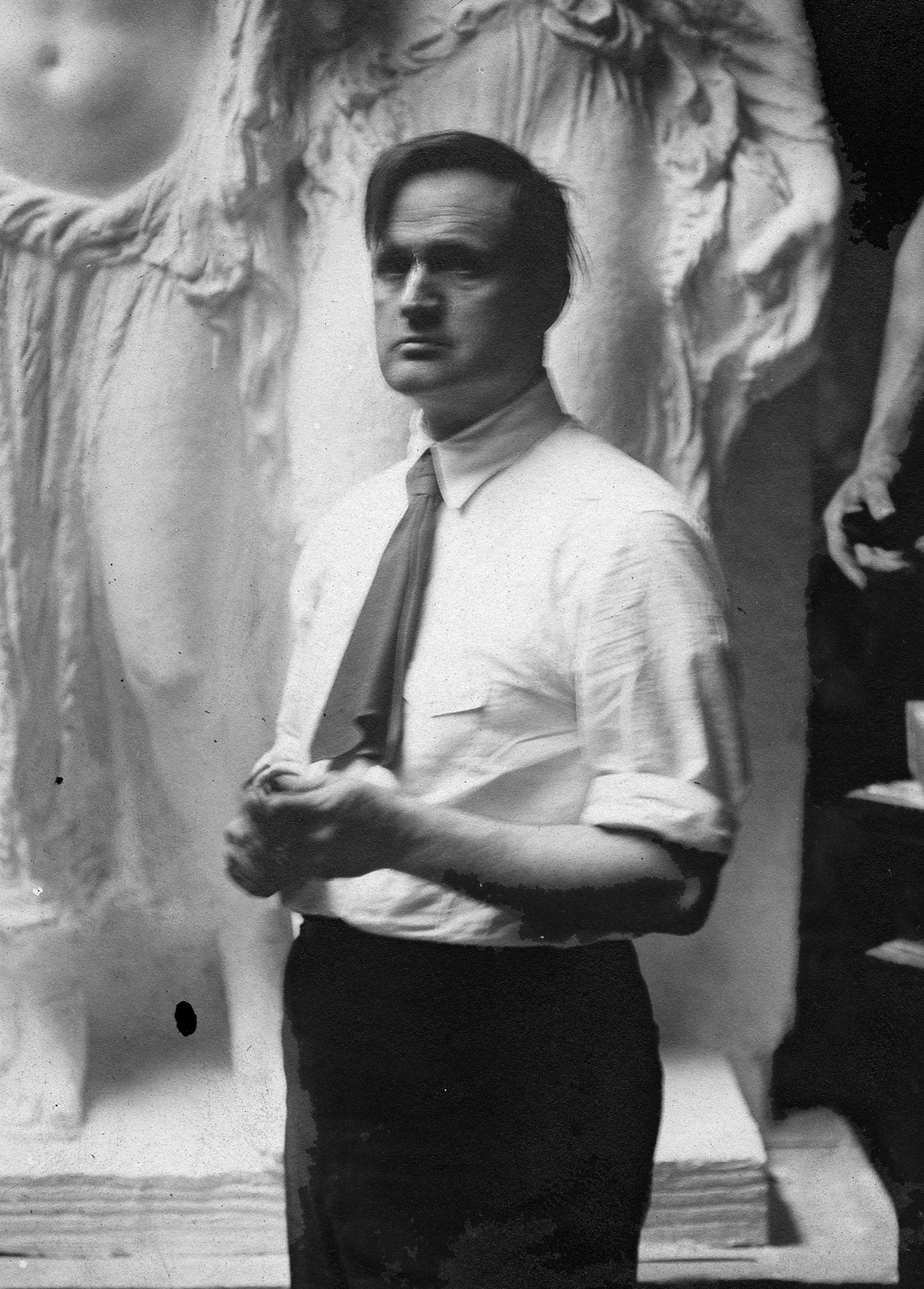



Why Carve a Nickel?
Migratory workers—and others with time, a knife, and a nickel—carved for several overlapping reasons, documented by the Original Hobo Nickel Society (OHNS) and numismatic historians:
- Trade. A finished carving could be swapped for a meal, coffee, clothing, a bunk, or a favor—portable folk art with a built-in five-cent base.
- Time. Jungles, sheds, and jail yards meant long waits; carving filled idle hours.
- Pride. A sharp profile, a derby, a pipe, or a friend’s face showed skill that traveled when the carver did.
- Currency that still spent. Even altered, the piece remained a U.S. five-cent coin—harder to refuse than a pure souvenir.
The popular label “hobo nickel” spread widely as collecting rose in the late twentieth century; earlier riders more often just called them carved nickels.
How They Were Made
Classical-period tools were pocket-scale: knives, nails, files, punches, and homemade gravers. Carvers reshaped Fraser’s Indian into bearded men, bowlers and ball caps, clowns, soldiers, self-portraits, and friends; on the reverse they might leave the bison, punch a new animal, or cut a standing figure with a bindle. Later workers and modern “neo-bo” engravers added finer punches, chisels, and (in some cases) power tools—collectors learn to tell classical handwork from later machine-assisted pieces.
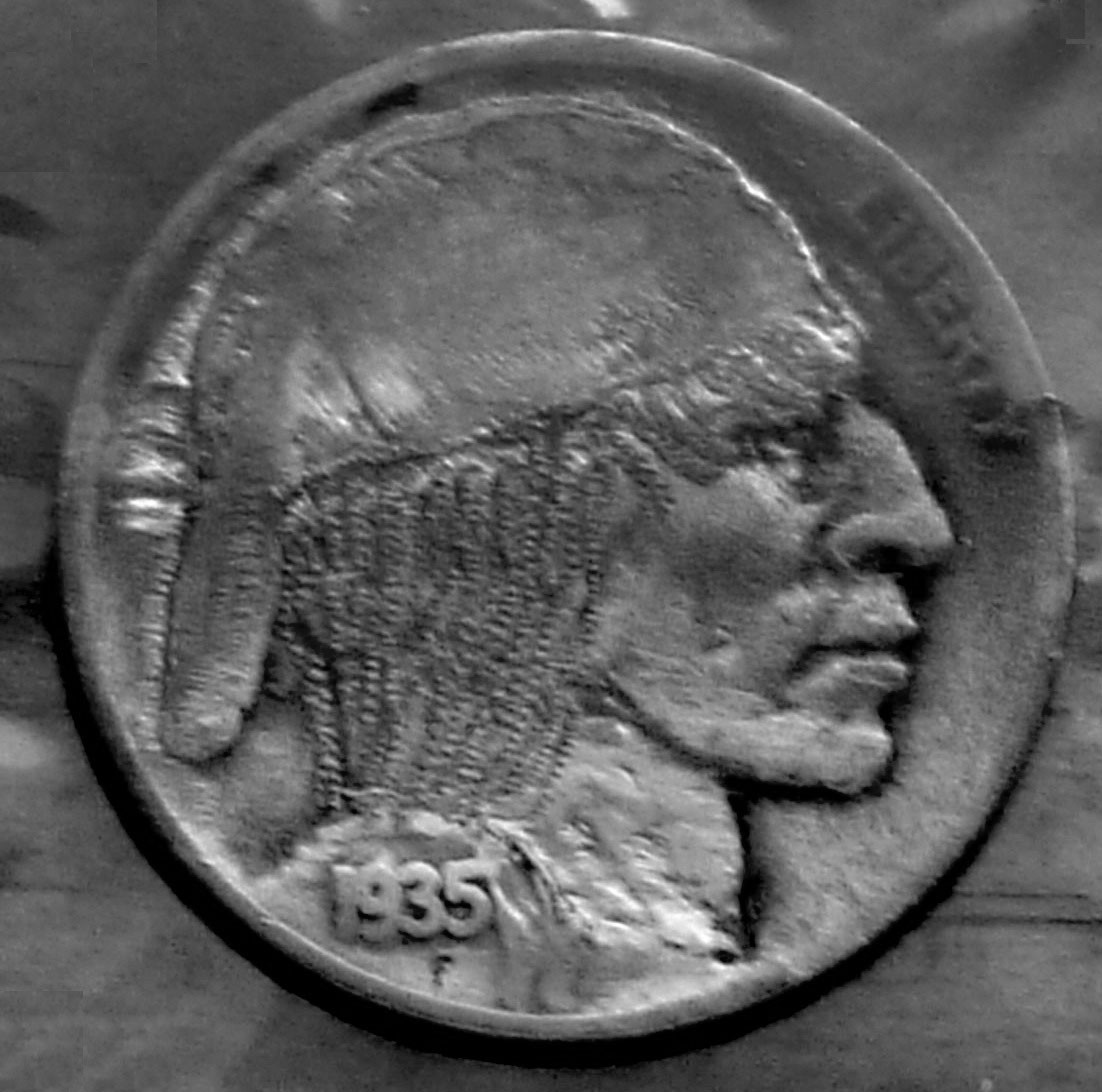

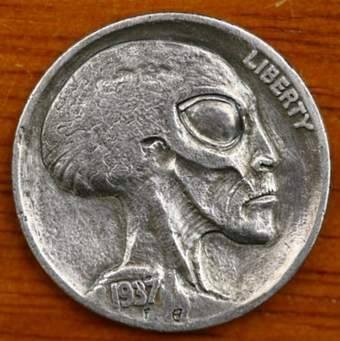

Named Classical Carvers: Bert Wiegand and Bo Hughes
Few early carvers left signed life stories. Two names dominate the classical narrative as reconstructed by Del Romines and summarized by OHNS researcher Stephen P. Alpert—treat biographical color as heritage lore grounded in collector research, not as court-verified census facts:
Bertram “Bert” Wiegand
Born about 1890; began carving soon after the 1913 nickel appeared. Mentor to the younger Bo Hughes in the late 1910s. Often signed by cutting “LI” and “Y” from LIBERTY to leave “BERT.” Finely detailed; scarcer than Bo’s output. OHNS notes prison time in the 1930s (Georgia lore) with carvings continued for guards, and later flea-market sales before he drops from the record in the late 1940s.
George Washington “Bo” Hughes
Born about 1900 (Romines: youngest of a large family, son of a freedman); left home about 1915 and lived as a hobo for decades. Learned from Bert; carved thousands of nickels—portraits, clowns, soldiers, reverse animals, 1950s cameos. Usually unsigned; sometimes “GH” or “GWH”; one known “Bo.” A 1957 hand injury forced punch-based work (1958–63) before fuller carving returned. Last widely tracked heading south for work around 1980; collectors still debate the end of his trail.
What Happened to the Coins—and Who Keeps the Craft Alive
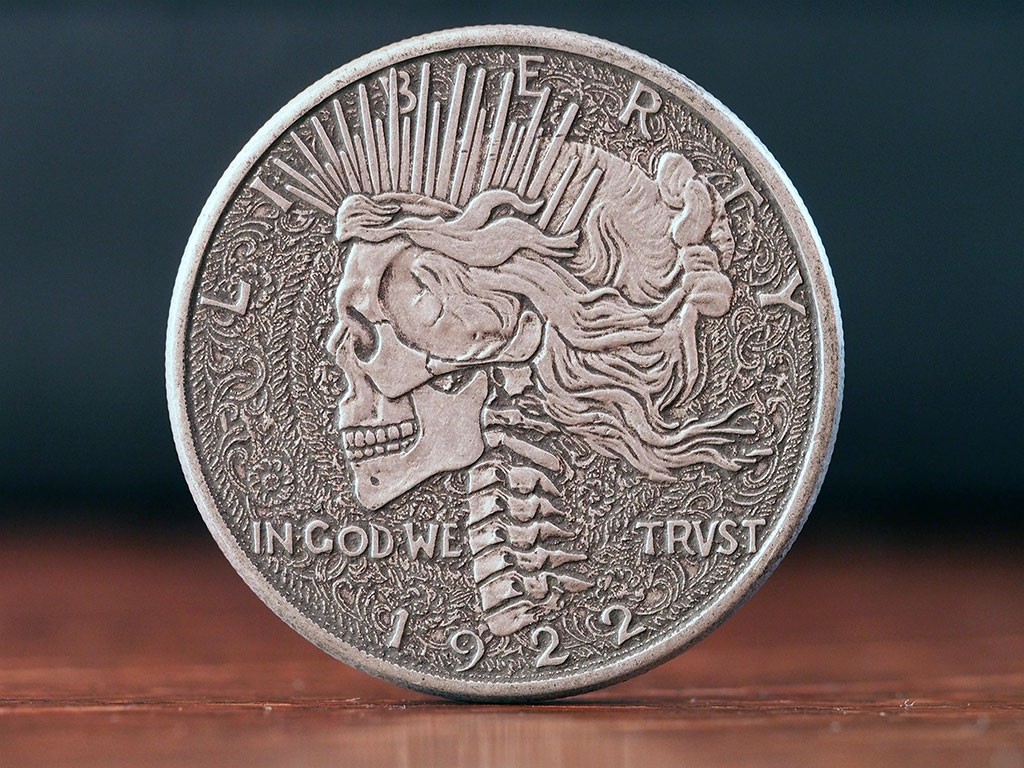
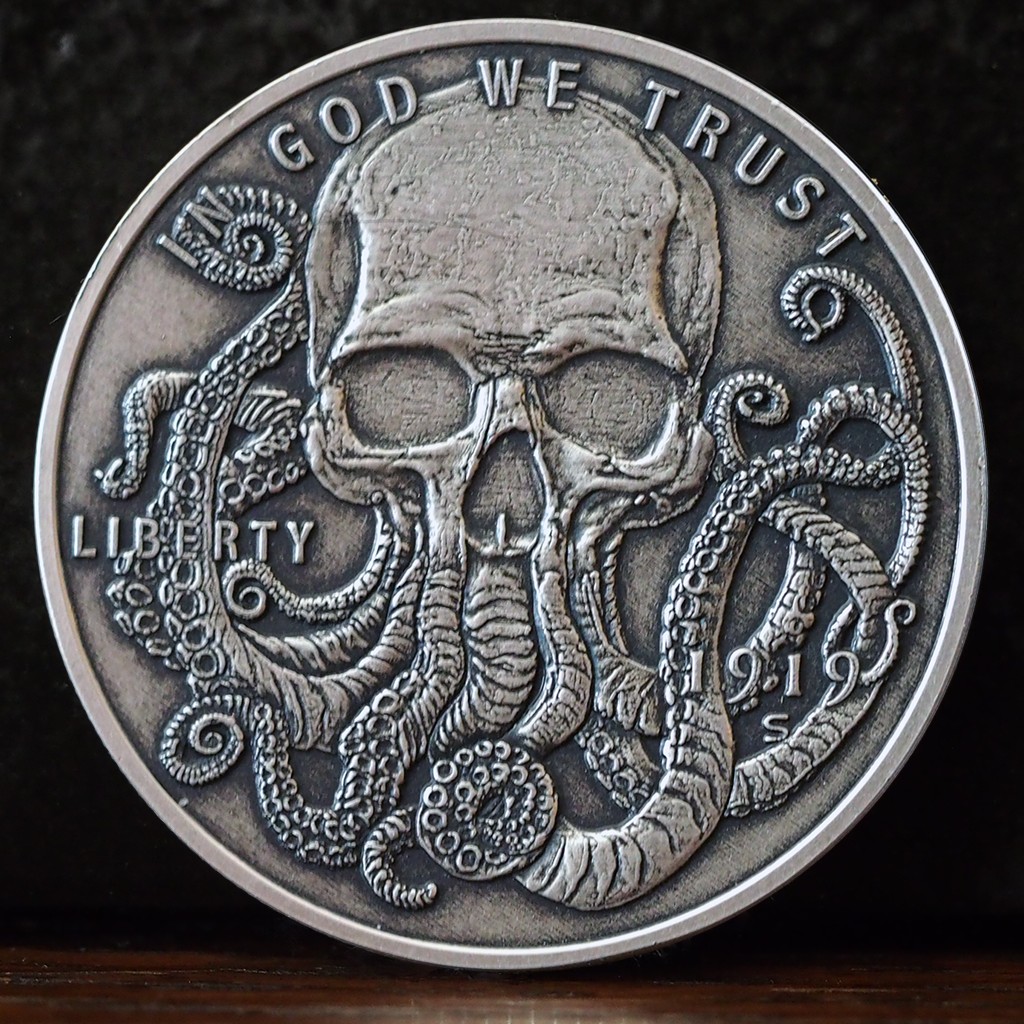
Carvings were traded, gifted, lost, or kept as keepsakes. Surviving classical pieces entered dealer stocks and private collections from the mid-twentieth century on. The Original Hobo Nickel Society (OHNS) formed at the 1992 ANA Summer Conference in Colorado Springs after Bill Fivaz’s slide talk: a newsletter (Bo Tales), an evaluation service, public education, and an annual auction that has funded ANA youth scholarships since 1995. From the early 1980s, copyists and then highly skilled modern engravers (sometimes called neo-bos) revived the form; OHNS educates collectors to separate classical handwork, early fakes, and contemporary original designs.



Tramp Art: Chip-Carved Layered Wood
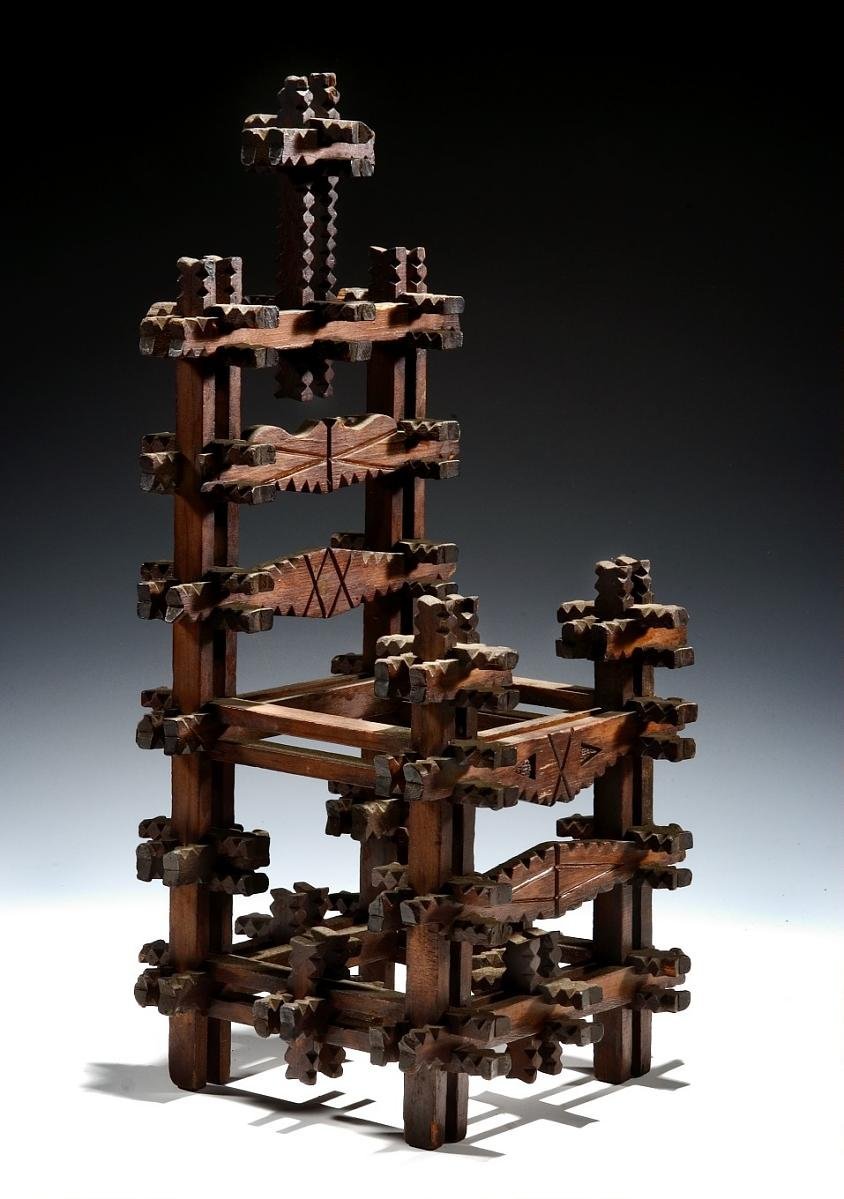
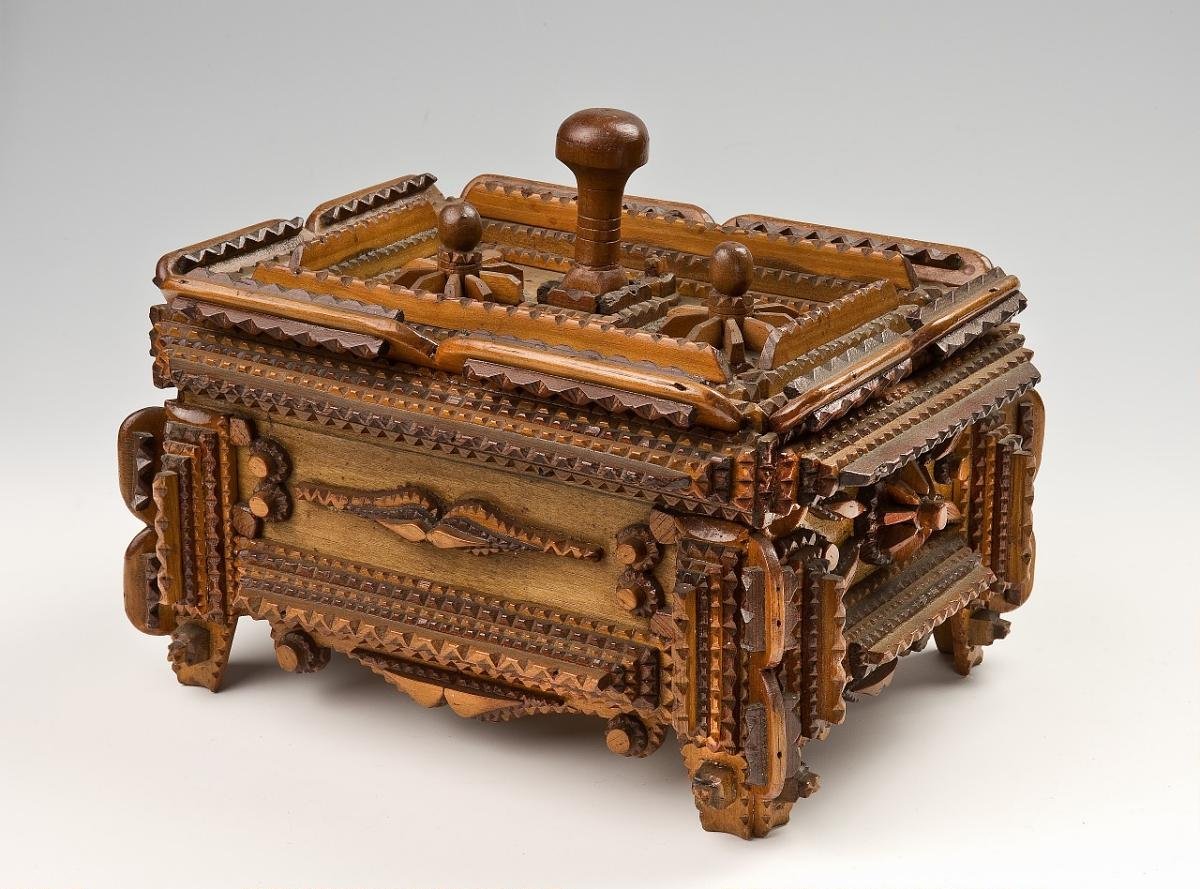
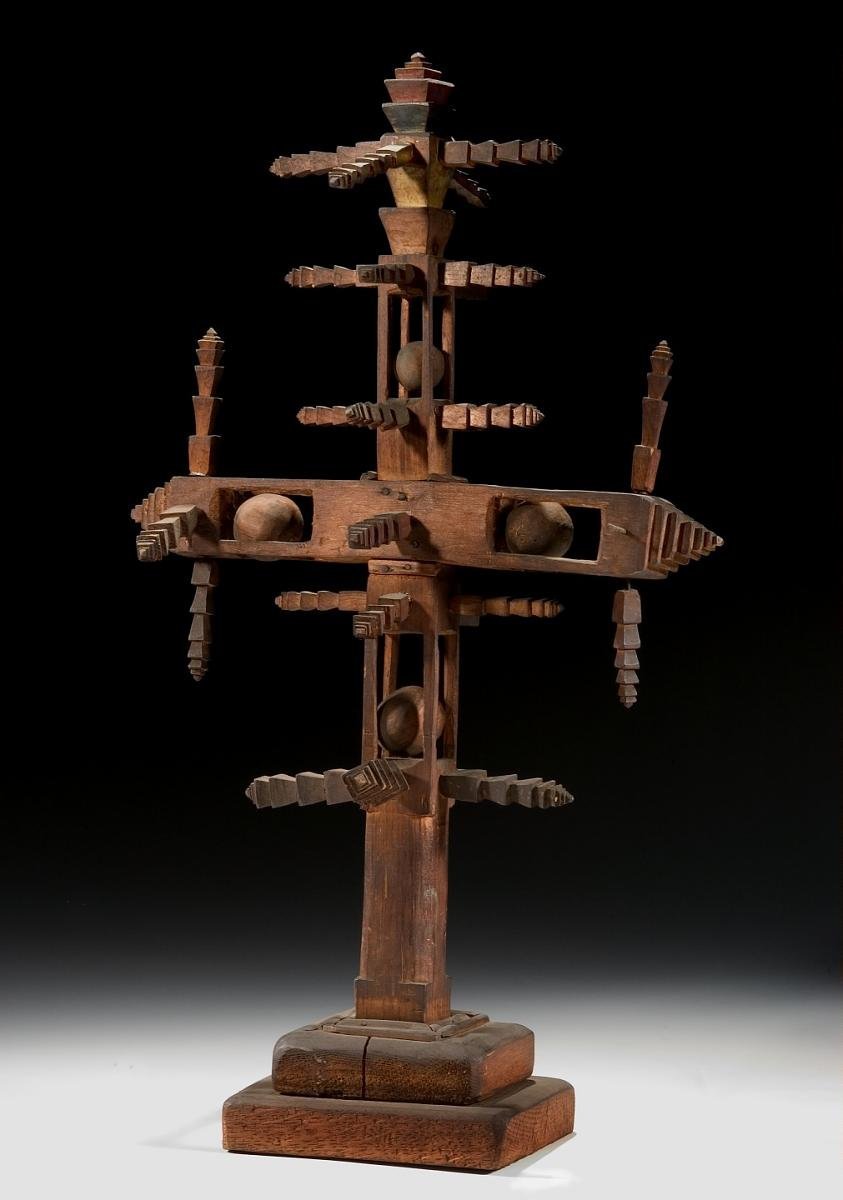
Tramp art—layered, notch-carved wood, often from cigar-box cedar—produced frames, boxes, cruciforms, and furniture. Smithsonian American Art Museum labels stress an important corrective: many makers were traveling tradesmen (printers, carpenters, cigar workers) advertising skill as they “tramped” city to city, not simply vagrants killing time. Helaine Fendelman’s scholarship popularized the term; Lynda Hartigan’s Made with Passion frames the Hemphill folk-art gifts now at SAAM.
“Crown of Thorns” constructions interlock notched sticks in a lattice said to evoke the Passion crown. Whether every piece was made by a classic freighthopping hobo is uncertain—and the museum says so. What is certain is the technique, the materials, and the survival of objects in open-access collections.
Monikers, Chalk, and Printed Protest
Alongside pocket art, riders left marks on tanks, bridges, and boxcars—road names, dates, direction. Jack London described water-tank directories in The Road (1907). Twentieth-century freight drawing produced durable folk icons such as Bozo Texino, explored in Bill Daniel’s documentary Who Is Bozo Texino?; J.H. McKinley (Southern Pacific engineer) is among identified practitioners. Treat any single “inventor” claim cautiously: monikers evolve. See the Moniker wall and Signs and symbols rooms for dedicated images.
Art also meant covers and type. The IWW’s pocket songbooks—“Songs to Fan the Flames of Discontent”—carried red covers, union bugs, and lyrics set to familiar tunes. Period editions are public domain; the next room opens those songbooks and the literature that carried the road into parlors.
Claims in this room rest on OHNS research, Smithsonian collections, and related histories—see Sources.