A tourist postcard sells a sheet of “secret hobo signs.” In a jungle, a rider chalks a moniker and a date on a tank—the mark that actually moved information.
People of the Rails closed on who rode. Culture and Code asks how they marked, spoke, and remembered the road. Pictographic “hobo code” charts are famous. Documented monikers and oral tips are better history. This chapter keeps the skepticism central.
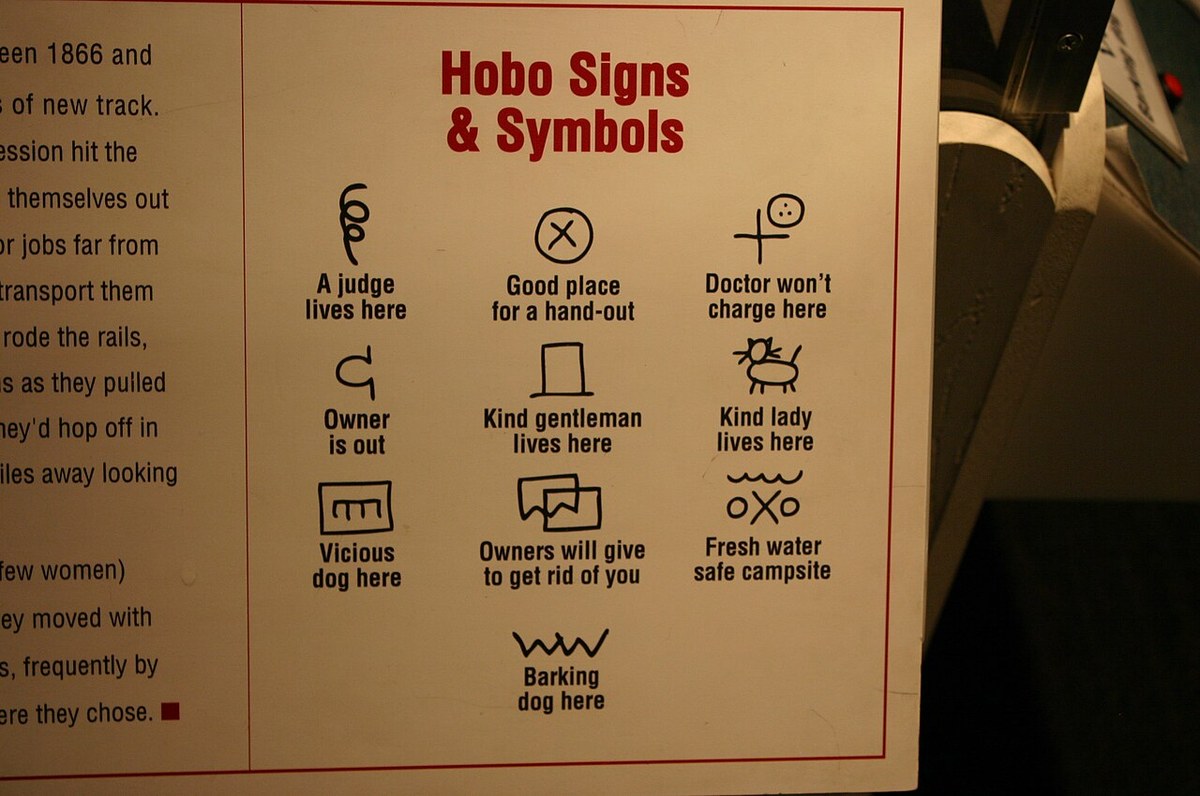
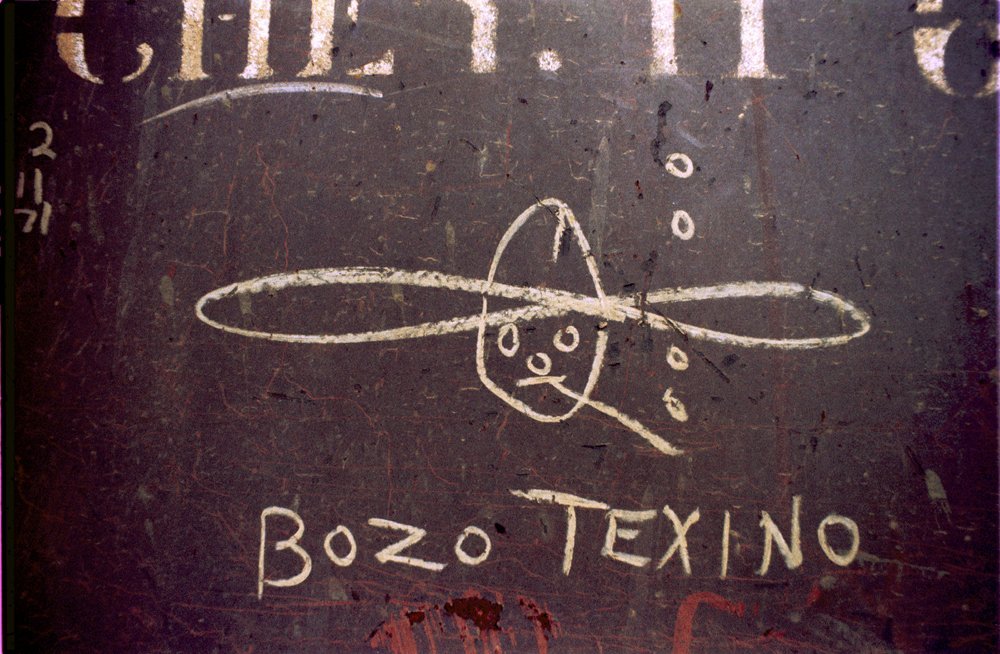
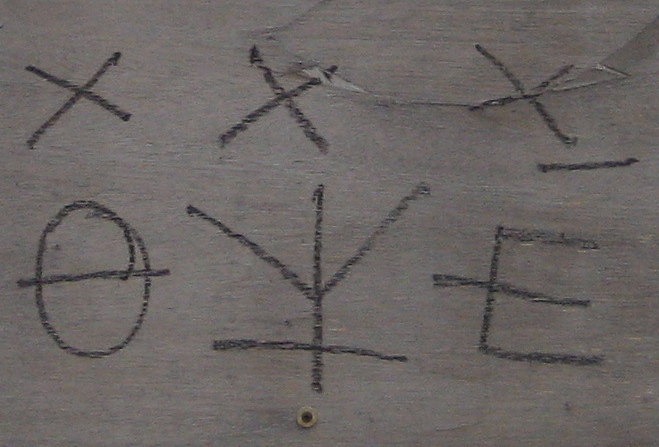
Folkloric hobo signs chart. Popular “hobo code” charts circulate widely; treat unsigned pictogram sheets as folklore unless tied to a place. Museum interpretive chart. Wikimedia Commons (see file page). Source.Bozo Texino moniker. Monikers like Bozo Texino traveled car to car—name, date, and direction more than tourist pictograms. Documented moniker tradition. Wikimedia Commons, CC BY 3.0 (see file page). Source.
What the Charts Claimed
Commercial charts promised a universal pictographic code: hash marks for dogs, circles for kindness, triangles for danger. They sold. Folklorists and the Historic Graffiti Society have urged caution: systematic, nationwide pictographic codes are poorly evidenced compared with oral networks and personal monikers. Leon Ray Livingston (“A-No. 1”) helped popularize sign lore in books that mixed showmanship with experience. Treat his charts as folklore performance unless corroborated.
Legend labelWhen we show a sign chart, we label it folklore unless a specific mark is documented in place.
What Is Well Documented: Monikers
Road names chalked or painted on tanks, bridges, and cars—with dates and directions—are widely attested. Jack London described water-tank directories. Twentieth-century boxcar drawing produced figures such as Bozo Texino. The next room is a wall of that evidence; this one only needs the contrast: a name and a date on steel beat a cute triangle on a postcard.
How Information Really Moved
Spoken tips in jungles, main-stem gossip, agency boards, and newspapers moved job news faster than any chalk triangle. Monikers told you who had passed; mouths told you whether to follow.
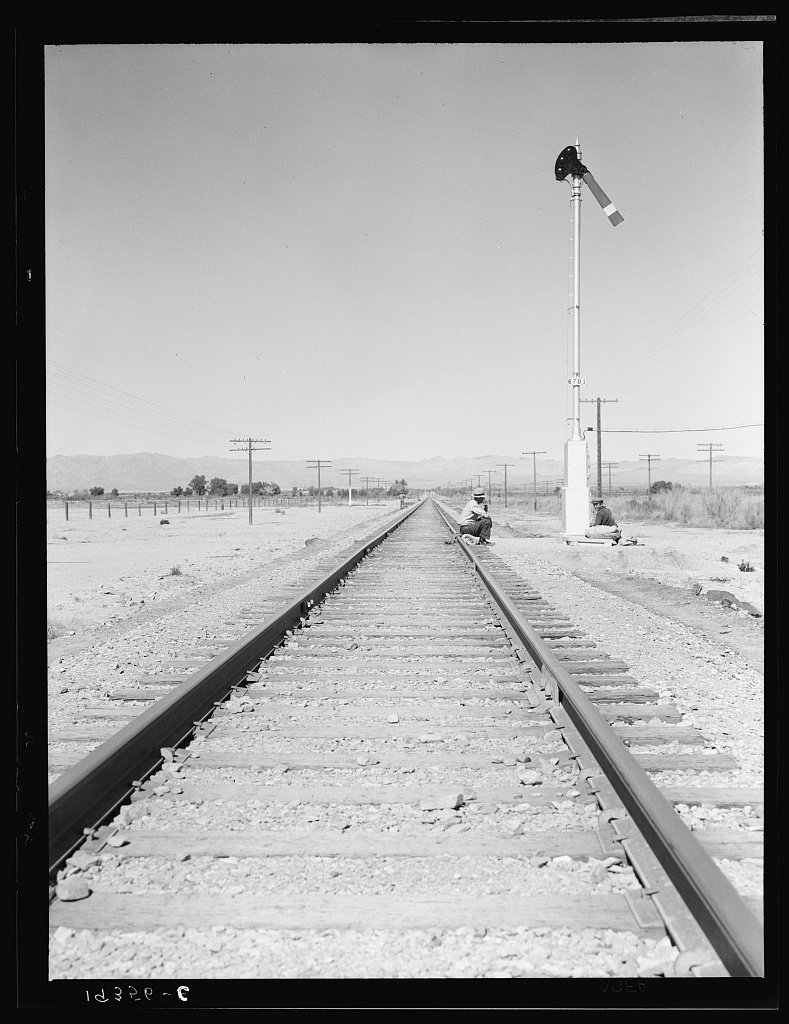
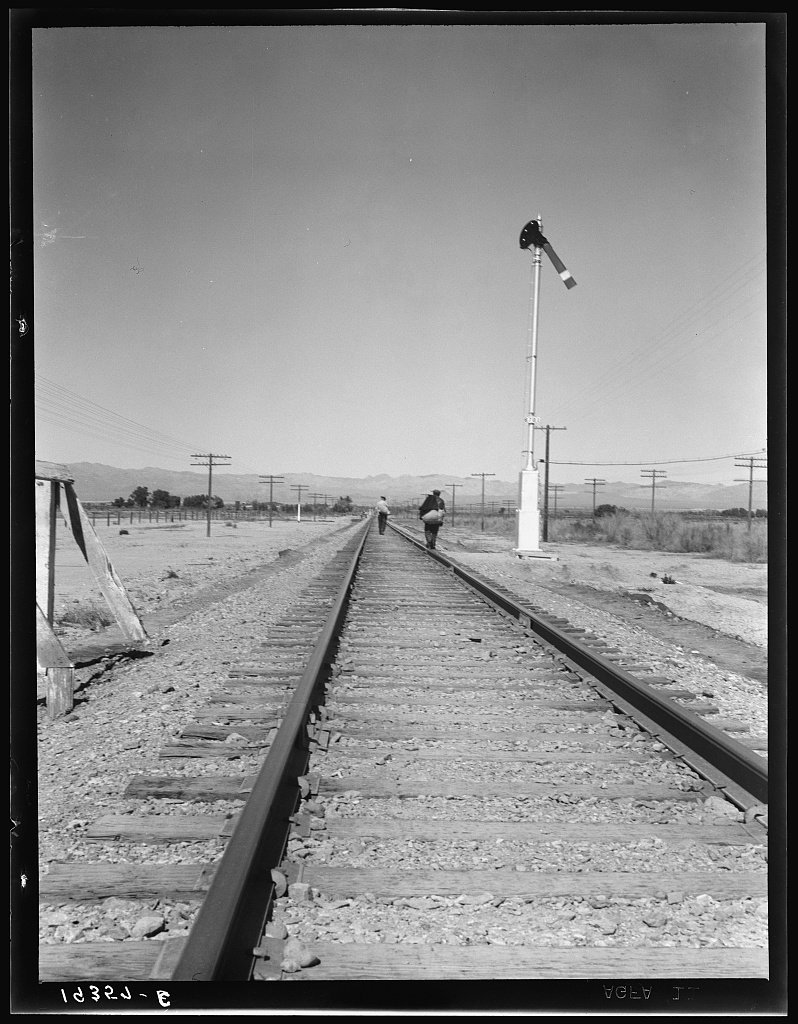
Waiting near Calipatria. Looking east down the track: itinerants with bindles watching for a ride—information traveled by word of mouth in that wait. Library of Congress, FSA/OWI Collection. Source.
A Story of Two Marks
Imagine two objects on a table: a glossy souvenir sign chart and a photograph of a dated moniker on steel. The first sold certainty; the second offers a person who passed. Viral “hobo code” posters bury the real archive under kitsch. Keeping moniker studies, London’s tank directories, and Bill Daniel’s Bozo Texino work visible is how we stop folklore from eating history.
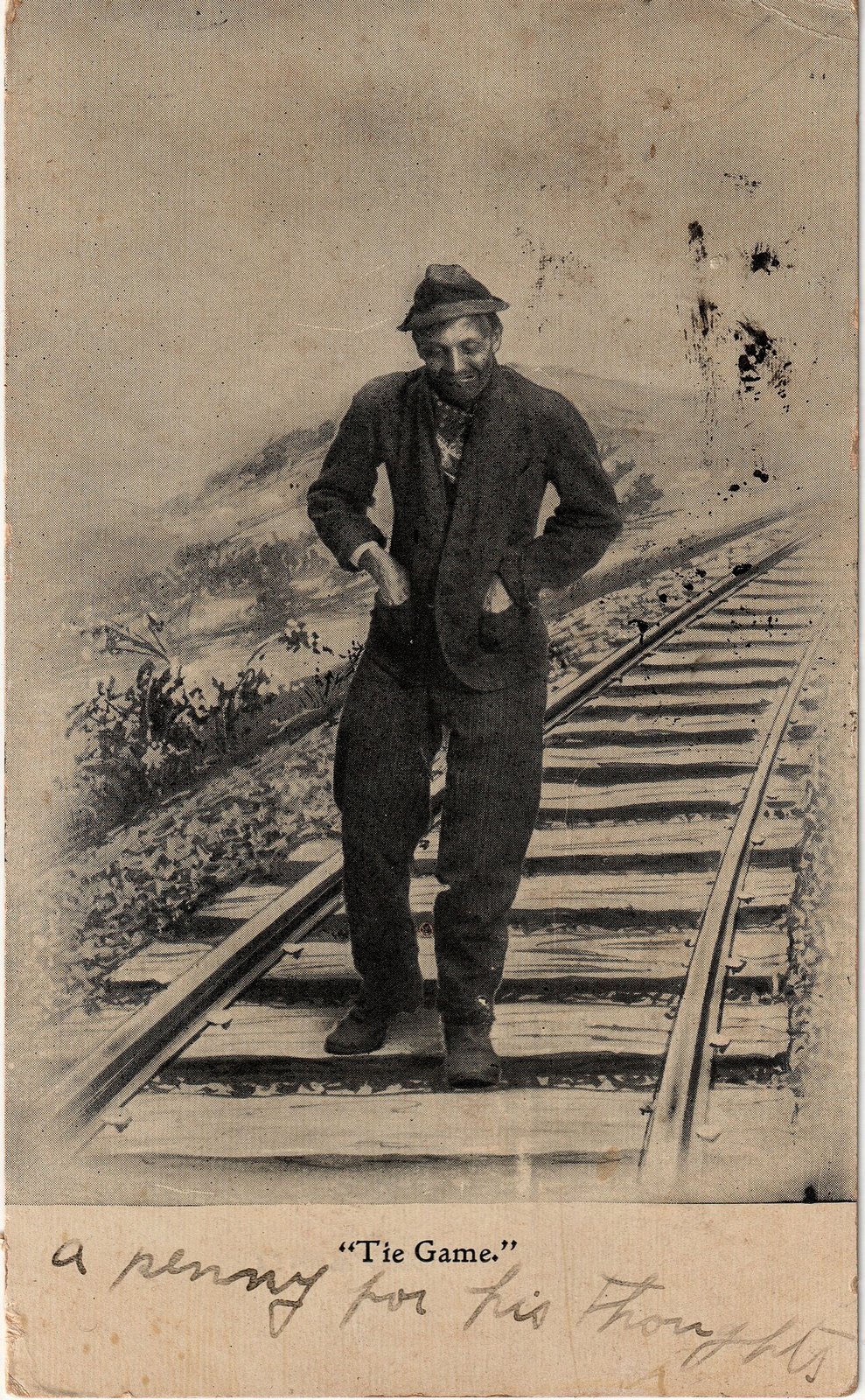
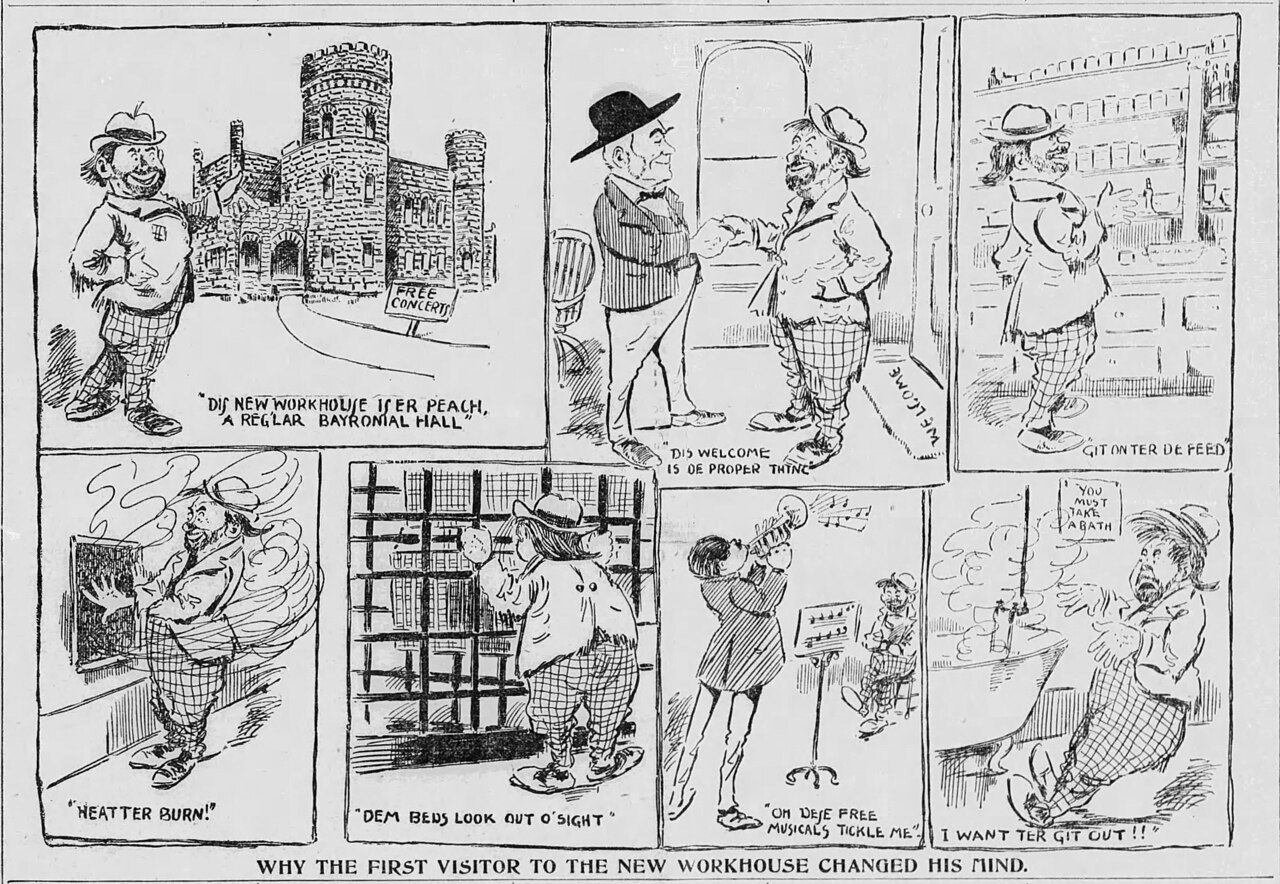
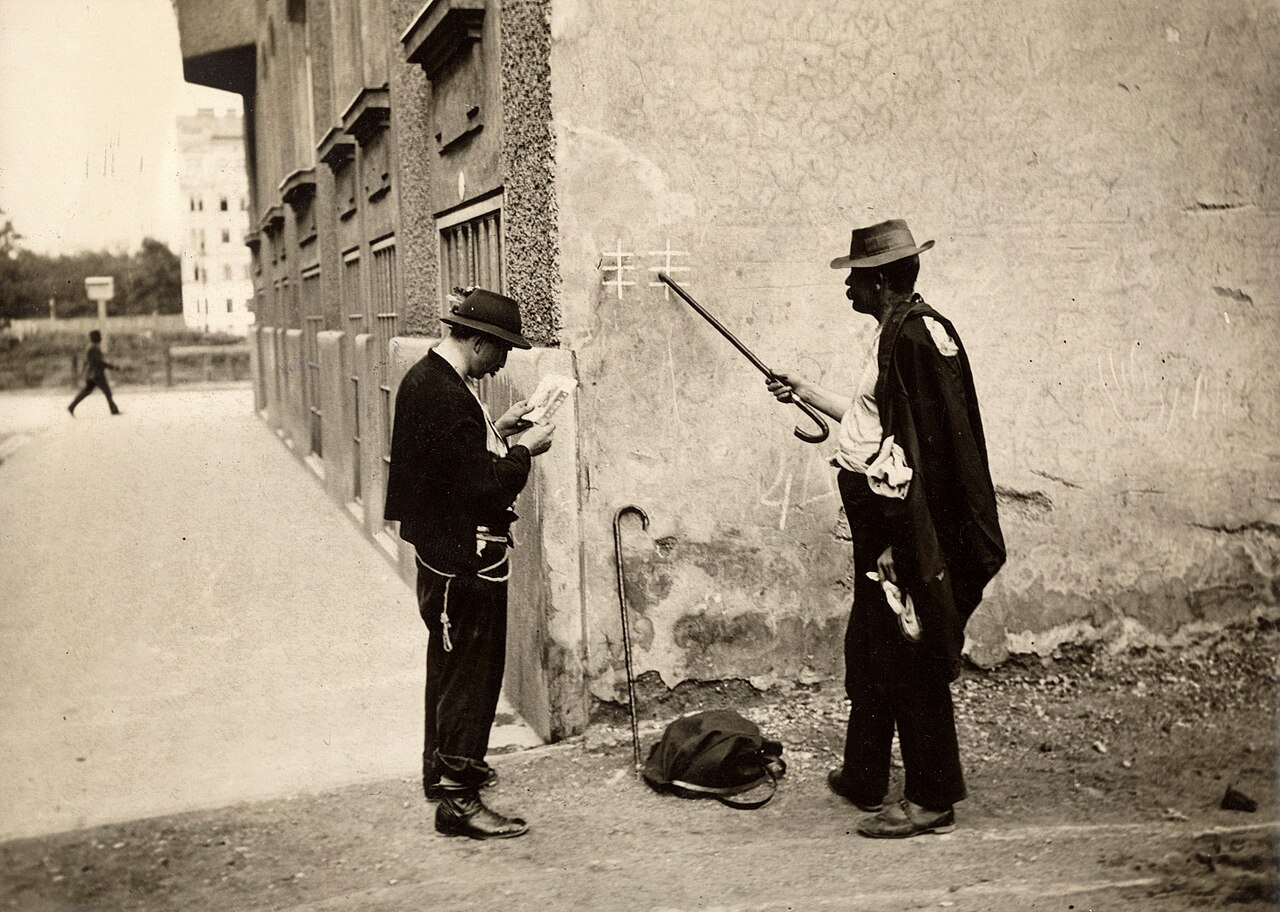
Railroad cartoon, 1909. Editorial cartoons tracked public anxiety about tramps, yards, and railroad power. Library of Congress (public domain).Bindle men along the Calipatria tracks. FSA documentation of waiting, not riding—the pause where oral tips mattered more than chalk triangles. Library of Congress, FSA/OWI Collection. Source.Chalk markings, New Orleans ferry. Marks near travel nodes—ferries, yards, water tanks—are better documented than cute symbol charts. Wikimedia Commons, CC BY 2.5. Source.“Ready for its Hobo Guests”. Newspapers lampooned towns bracing for hobo conventions and seasonal riders. Kansas City Times cartoon. Wikimedia Commons (public domain). Source.Men examining chalk signs on a wall. Field photos of people reading wall marks beat unsigned tourist charts as evidence of practice. International “boeventaal” series. Wikimedia Commons (public domain). Source.
The next room is the moniker wall: road names as folk art, not a secret pictograph code.
See Sources for works and archives cited in this room.