Bindle. Jungle. Catch out. Bull. Profesh. Gay-cat. The road spoke a compressed English that memoirs had to translate for the parlor.
Monikers were written identity. Slang was spoken tool and password. Definitions in this chapter follow period memoirs and ethnographies—not modern listicles—and the full Glossary of the road at the start of the tour holds the longer set.
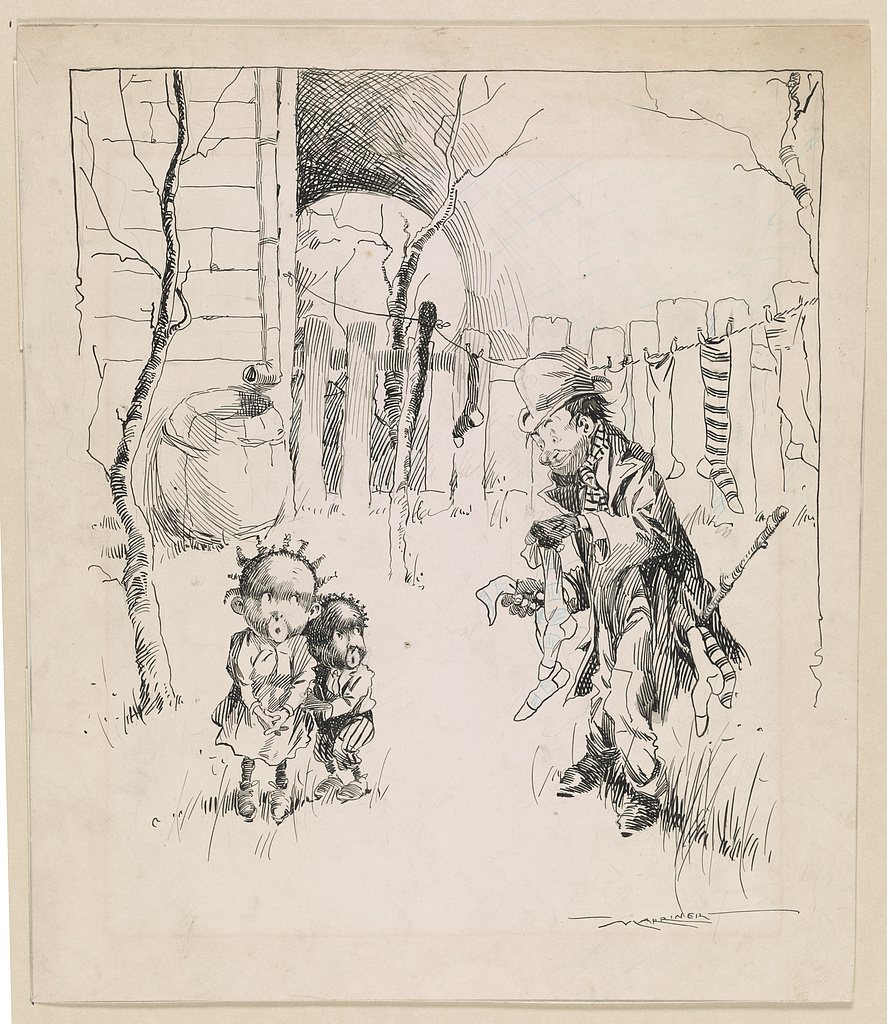
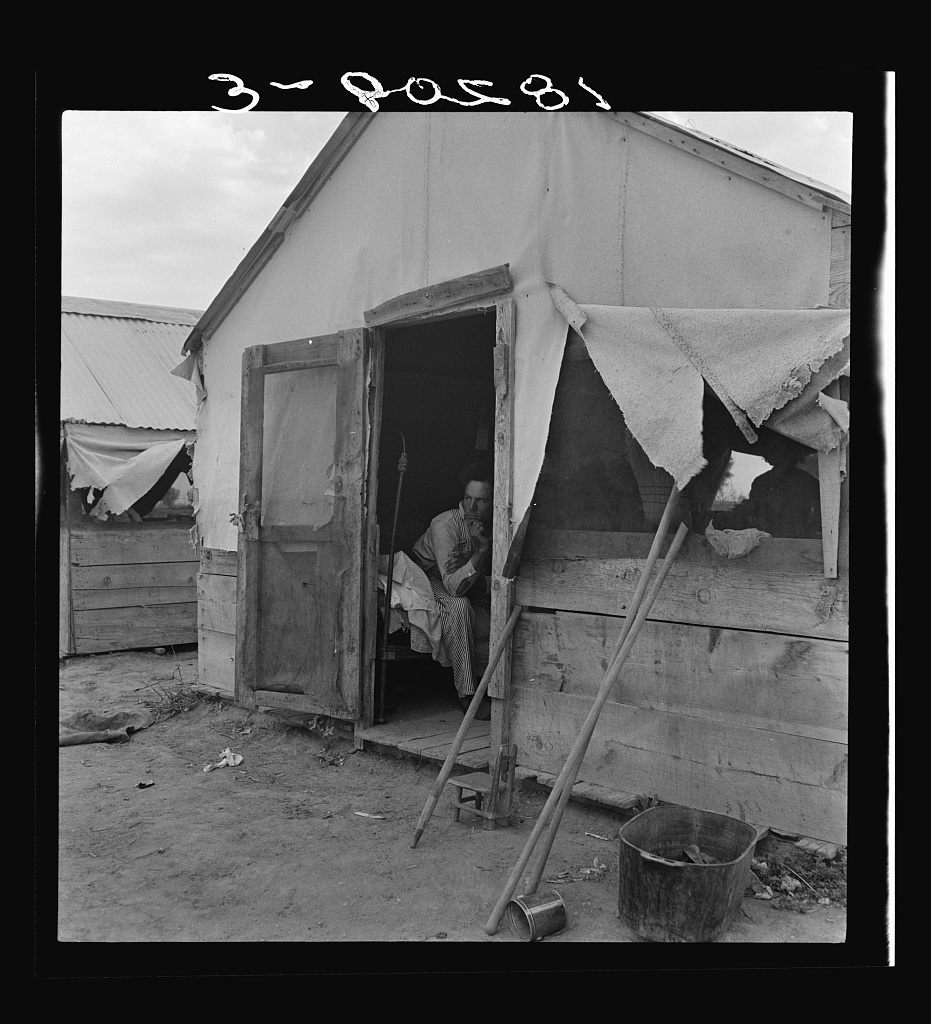
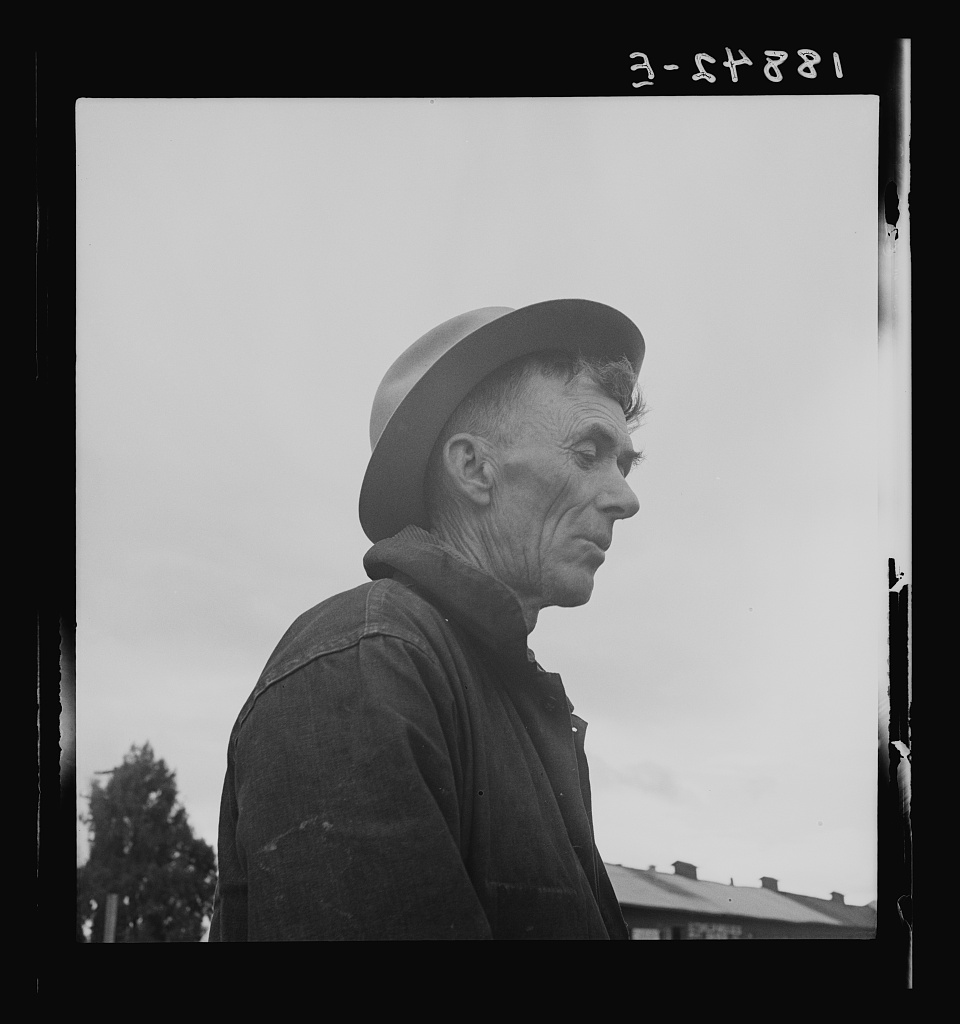
Wash day on the road. Socks on a line—camp life that needed its own words for work, rest, and waiting. Library of Congress, FSA/OWI Collection. Source.Roadside near Casa Grande, Arizona. A refugee agricultural laborer on the roadside—speech and labor shared the same hard calendar. Library of Congress, FSA/OWI Collection. Source.
Living languageMeanings shifted by region and decade. A 1907 gloss may not match a 1934 rider.
How Slang Traveled
Josiah Flynt published tramp jargon glossaries; London soaked them up; Nels Anderson’s Chicago study recorded main-stem speech. Words moved with harvest seasons and with print. You learned them because wrong words got you hurt or robbed. Flynt’s printed lists tried to bottle the same knowledge for readers who never caught out.
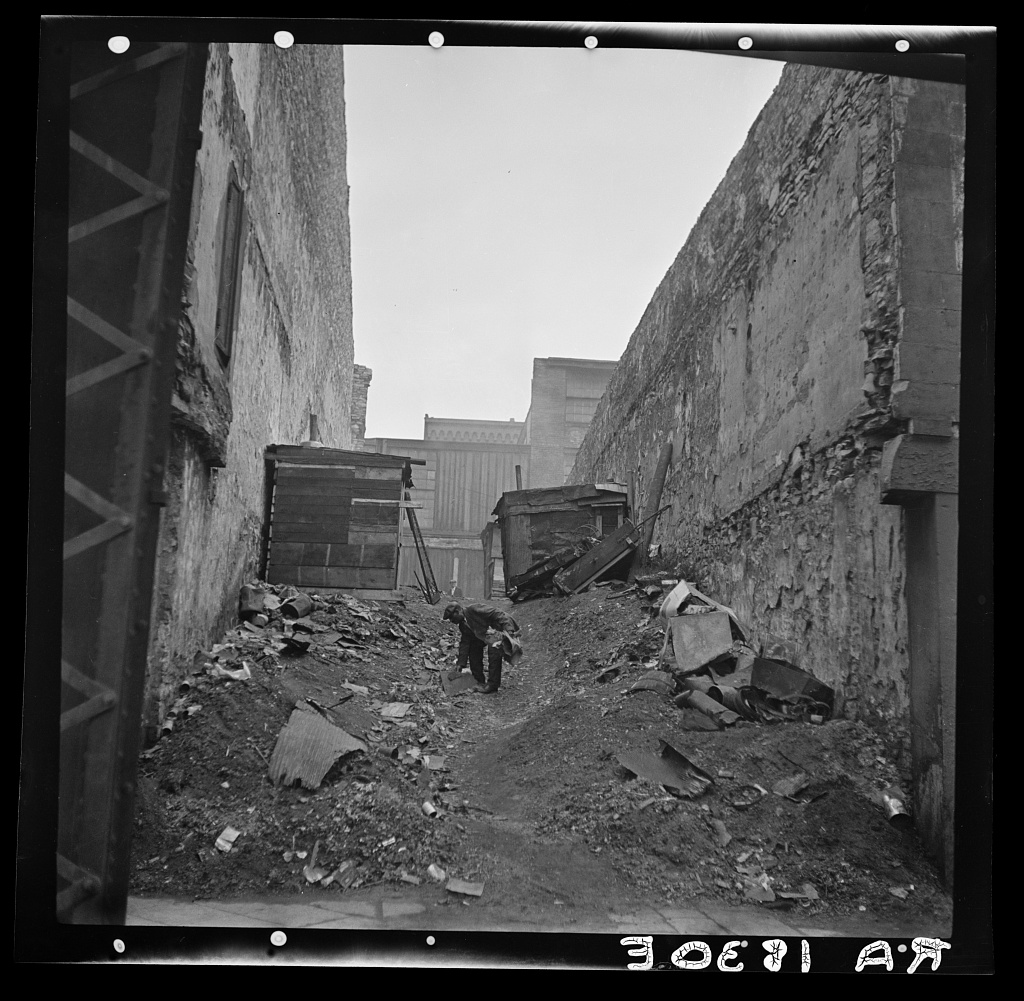
A hobo jungle, Saint Louis riverfront. Trackside camp where the words for stew, fire, and fair share were learned in practice. Library of Congress, FSA/OWI Collection. Source.
Slang as Archive
When a word dies, a practice dies with it. Listing bindle, jungle, bull, and profesh beside Gutenberg links keeps the tongue of the road from collapsing into joke lists online. London drills vocabulary like a recruit—“bulls,” “shacks,” “bindle-stiffs,” “profesh”—because the dictionary was survival.
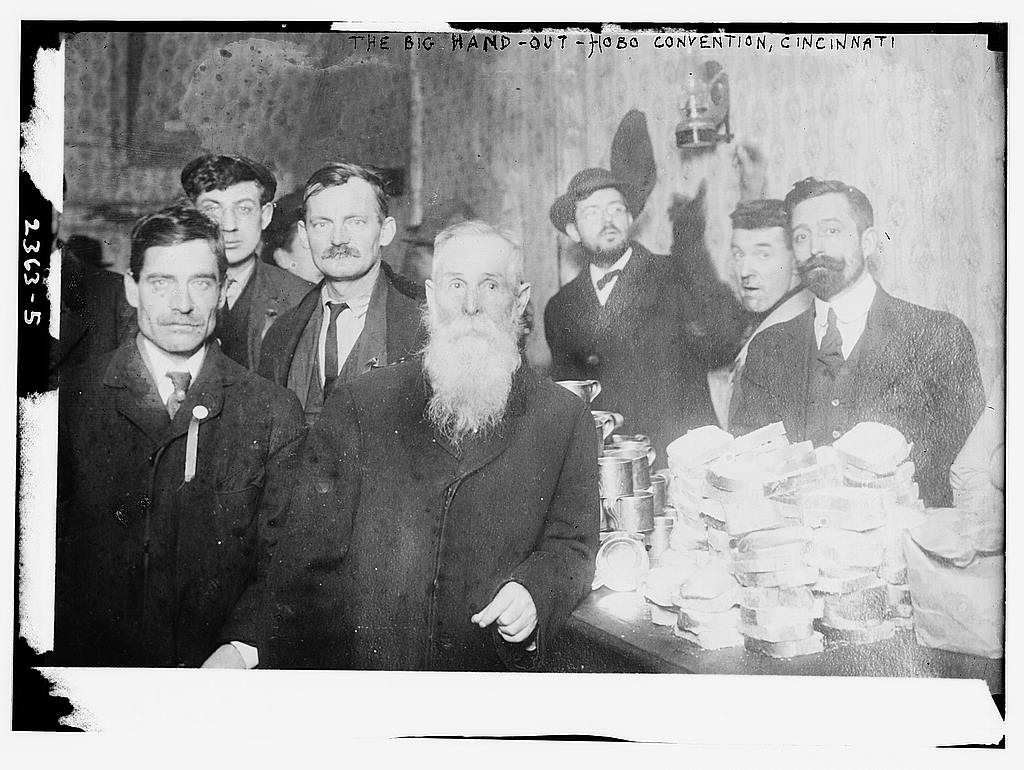
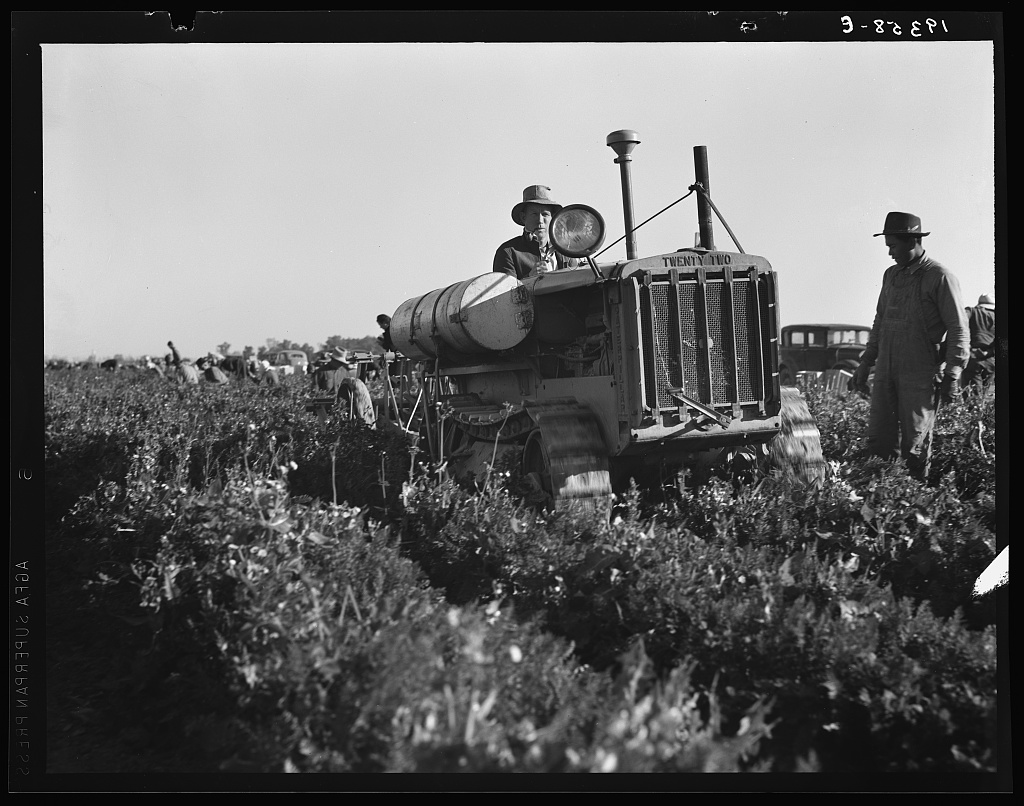
Caboose run, Chicago & North Western. A Chicago–Clinton caboose stretch—crew speech and rider slang shared the same right-of-way. Library of Congress, FSA/OWI Collection. Source.The Big Hand-Out Hobo Convention, Cincinnati. Conventions gathered riders—and their talk—into public view. Library of Congress, FSA/OWI Collection. Source.Buttonwillow, Kern County. Cotton country that once was cattle land—place names and crop names entered the same traveling vocabulary. Library of Congress, FSA/OWI Collection. Source.Ice sign, Minneapolis. Commercial lettering on the main stem—another dialect of the road’s working city. Library of Congress, FSA/OWI Collection. Source.Near the Calipatria tracks. Waiting riders—the audience for spoken tips and the teachers of new slang. Library of Congress, FSA/OWI Collection. Source.
Words named duties as well as places. The next room asks what the road owed itself: help, honesty in the jungle, and a printed “ethical code” whose origin story needs sanding.
See Sources for works and archives cited in this room.