
In Chicago, a hall offers lectures on hygiene, vagrancy law, and how to find work—Hobo College, where mutual aid put up a chalkboard.
Wobblies organized on freights. Another tradition built classrooms on the main stem. Self-help took institutional form: James Eads How’s IBWA and Chicago organizers including Ben Reitman founded colleges for migratory workers. This chapter keeps that work distinct from Reitman’s later composite “Boxcar Bertha” book.
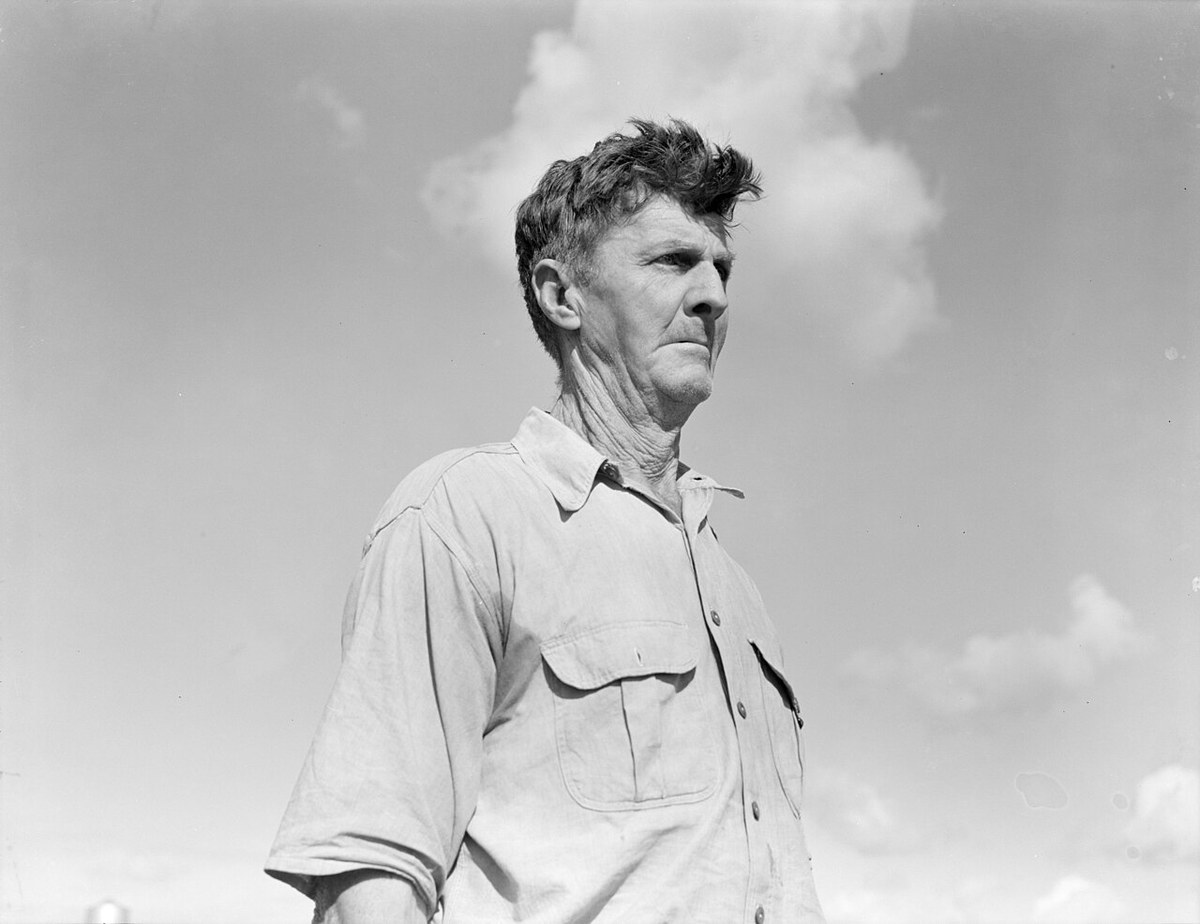
James Eads How and the IBWA
How, sometimes called the “Millionaire Hobo,” backed the International Brotherhood Welfare Association, which sponsored hobo colleges. Contemporary press covered a New York Hobo College opening in 1919. The network treated education and mutual aid as tools of survival, not charity theater alone.
Chicago’s West Madison Street
Per the Encyclopedia of Chicago (Roger Bruns), Ben Reitman founded a Hobo College on West Madison Street in 1908. Migratory workers gathered there to swap stories and hear lectures on philosophy and politics as well as personal hygiene and vagrancy law; the college ran for nearly three decades. Picture a hall near the employment agencies: a doctor or organizer at the front, riders in the chairs, topics from first aid to “why the tramp exists.” That scene—attested in encyclopedia and press coverage—belongs beside Britt’s parade as proof the culture built institutions.
Institutions of Care
Hobo College is proof the road built classrooms, not only legends. Preserve it beside Britt and the jungles: three different architectures of mutual aid. The college’s decades on the main stem close this wing’s arc from Depression freights through Wobbly boxcars to chalkboards and debate teams.
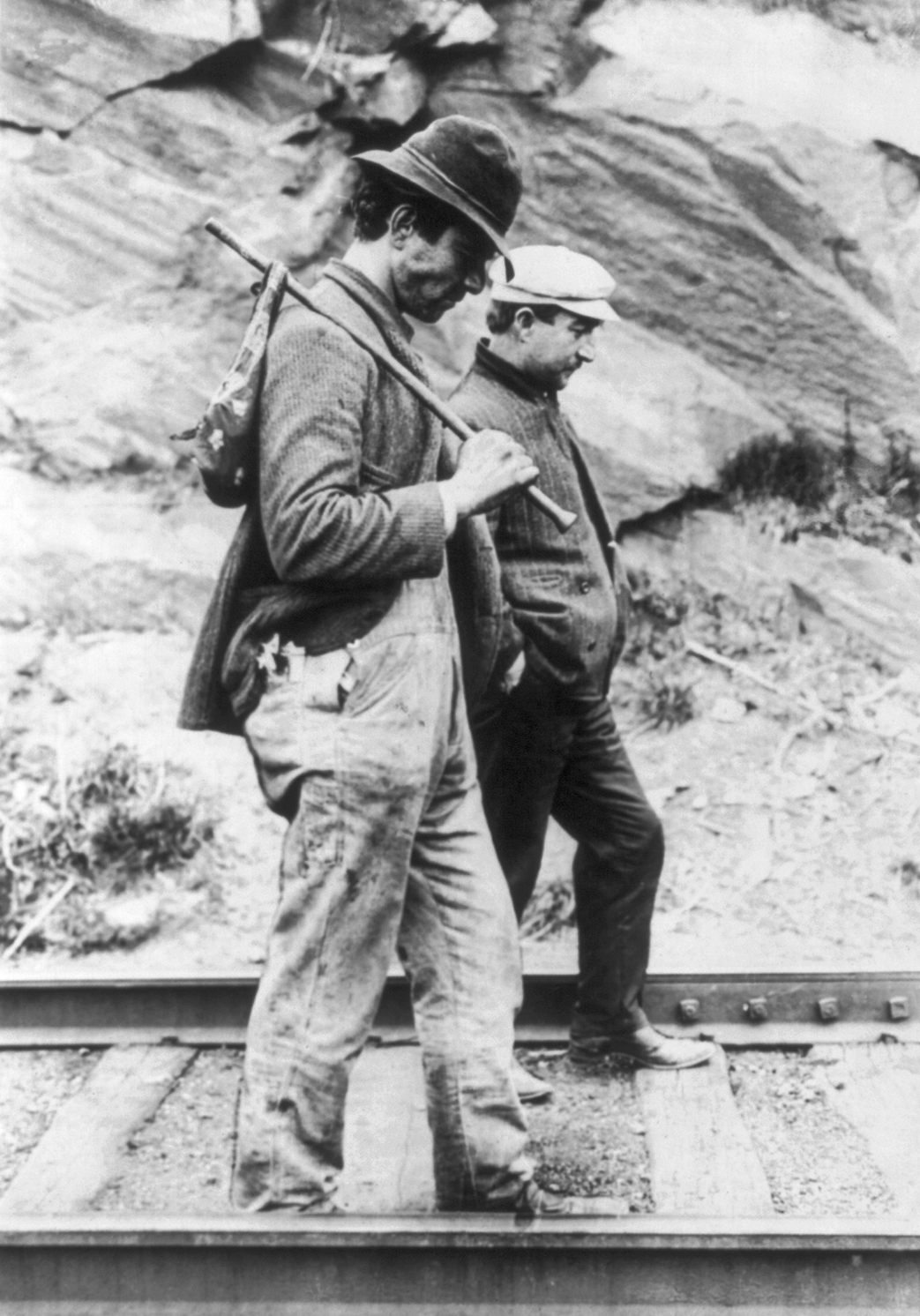


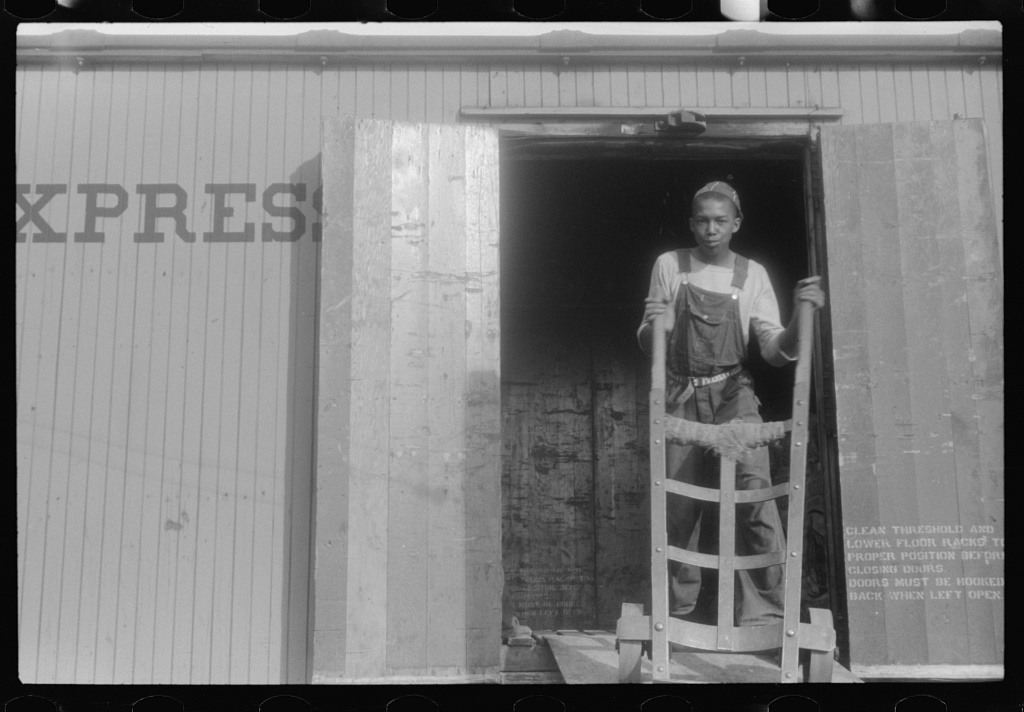
That closes Movements and Hard Times. The last wing turns to Britt, Iowa—Tourist Union No. 63, the living convention, and how to keep history without encouraging illegal boarding.
See Sources for works and archives cited in this room.