
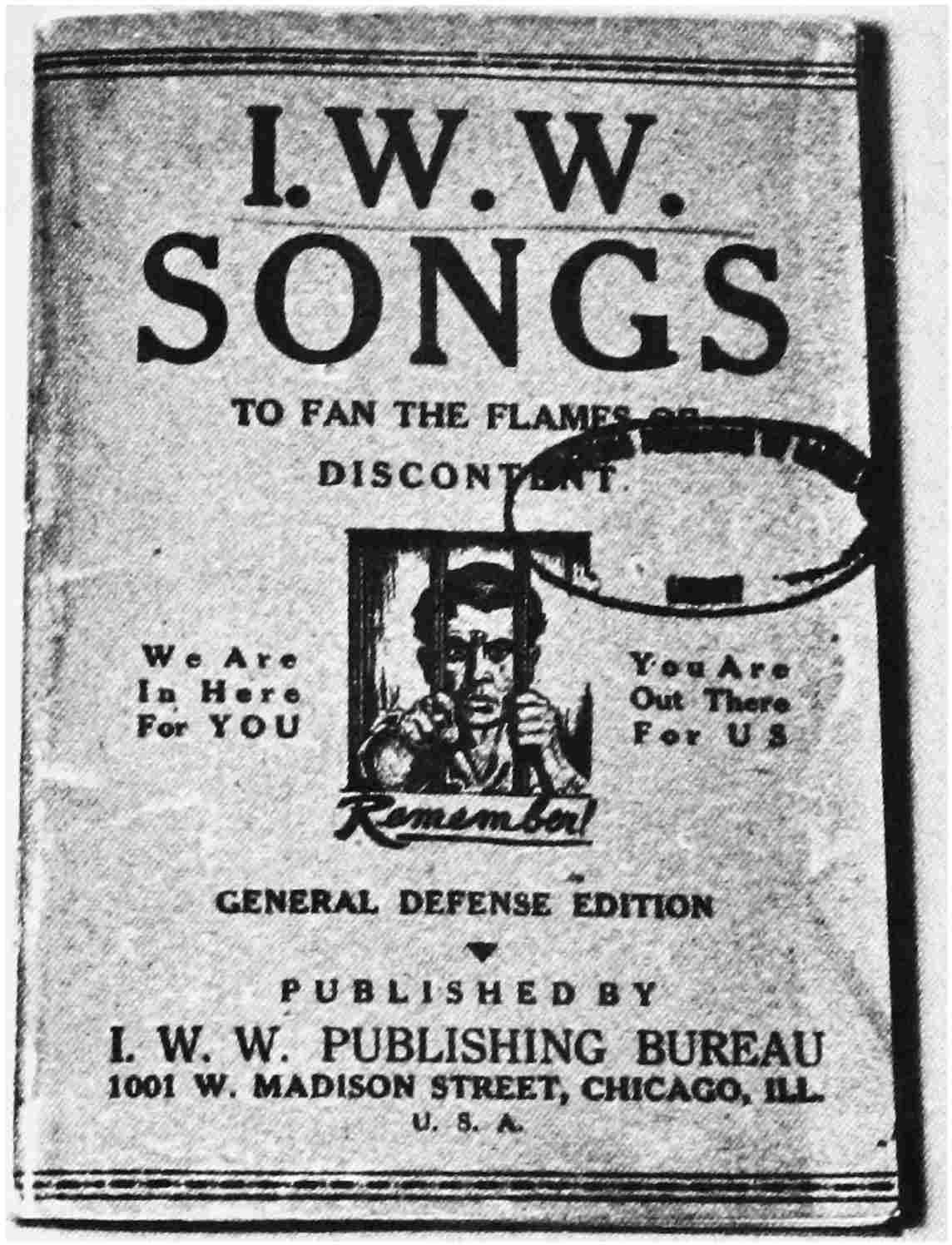
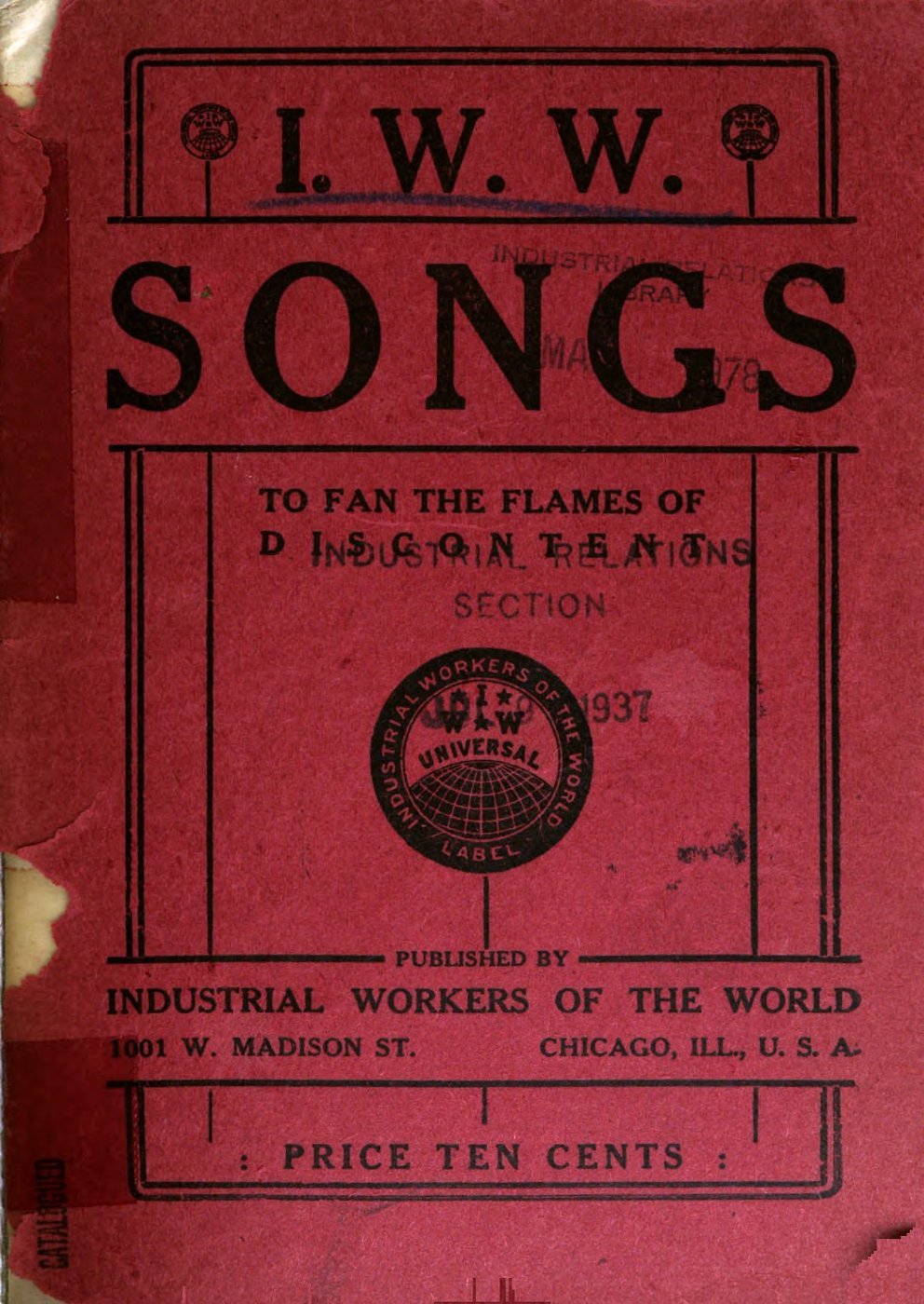
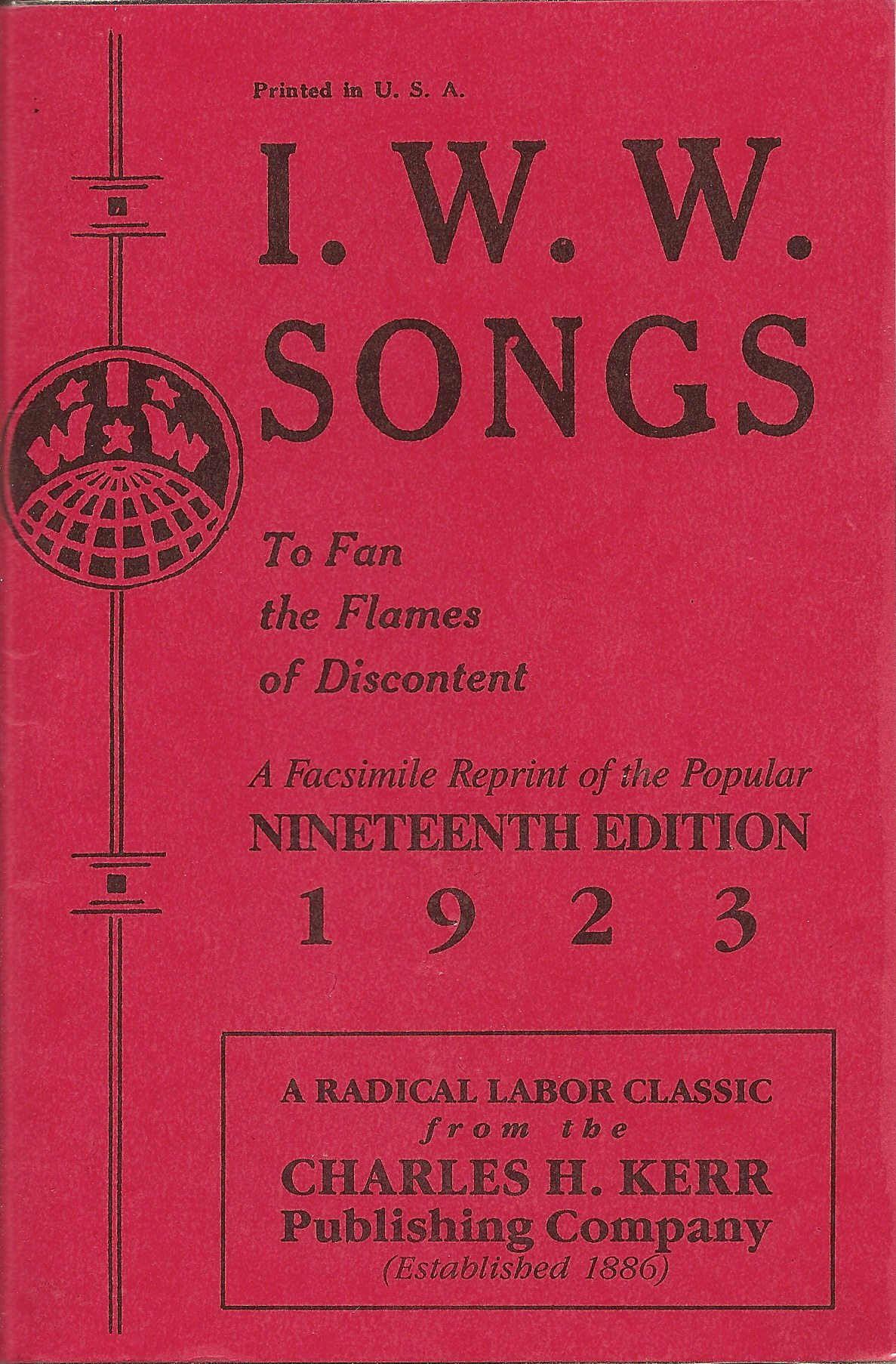
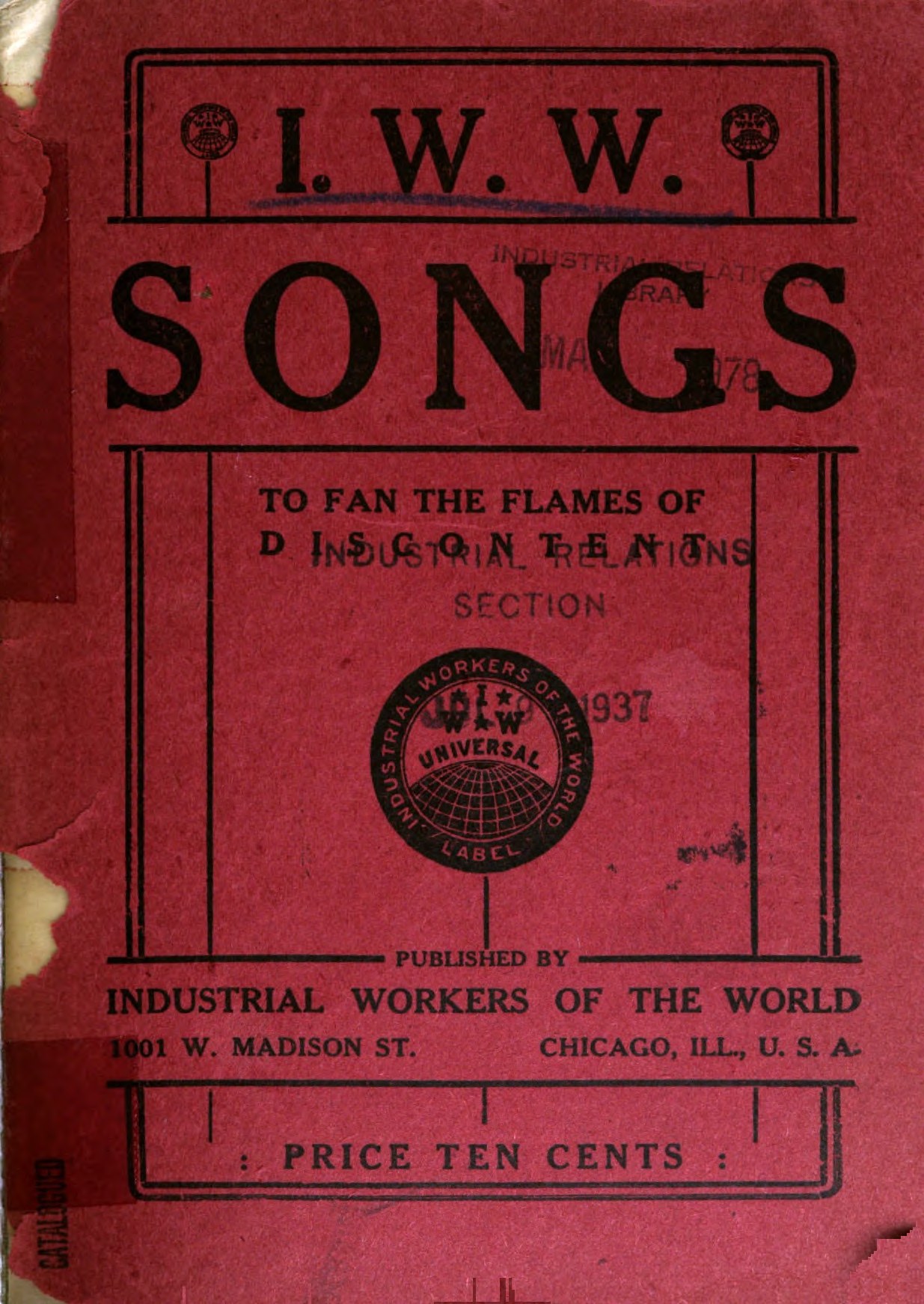
A red pamphlet the size of a hip pocket: Songs to Fan the Flames of Discontent. Around a jungle fire or a free-speech corner, someone starts a hymn tune with new words.
Carved nickels fit a pocket. So did a songbook. Songs carried news, jokes, and organizing; literature carried the road into parlors; one Depression-era composer turned jungles and freights into microtonal speech-music. This chapter keeps the music and the reading list together—sands the authorship myths—and brings Harry Partch’s transient years into the museum’s Culture wing.


Little Red Songbooks and Sticky Myths
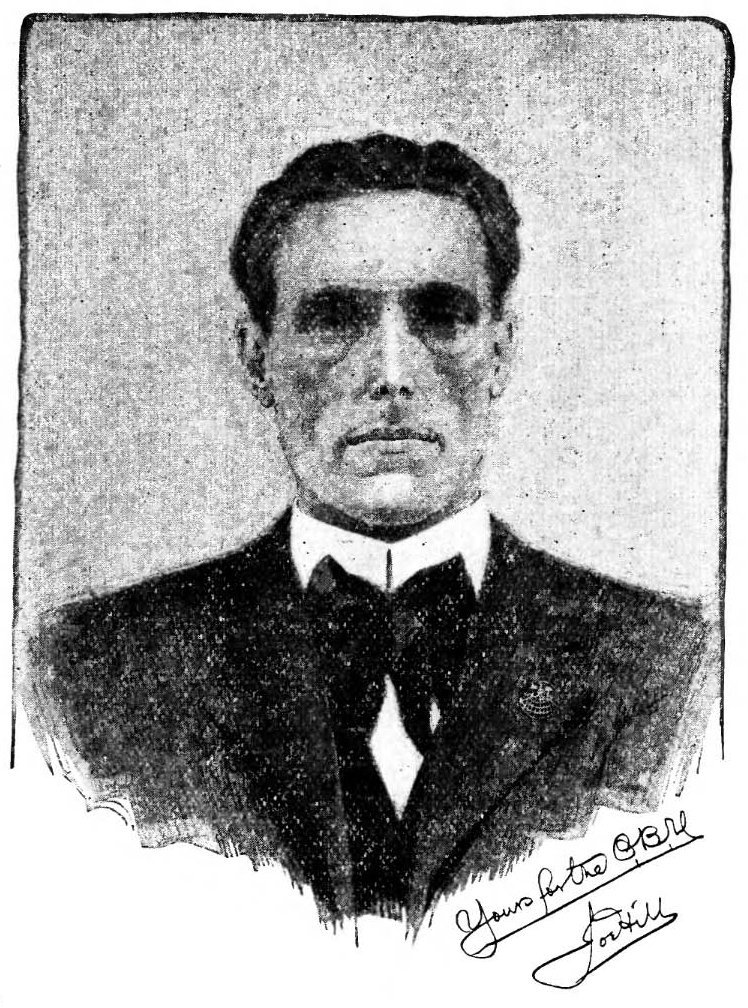
The Industrial Workers of the World’s pocket songbooks—often called the Little Red Songbook—set new words to hymn and popular tunes so a hall or a jungle could sing without a band. “Hallelujah, I’m a Bum” circulated in IWW and hobo circles; it is associated with Harry “Haywire Mac” McClintock, not Joe Hill. Joe Hill wrote other songbook staples: “Casey Jones—the Union Scab” and “The Preacher and the Slave,” whose refrain is often shortened to “pie in the sky.” Keep the attributions straight. The myth that Hill wrote “Hallelujah, I’m a Bum” is sticky—repeat the correction as needed. Frank Little, the organizer murdered in 1917, appears in memorial pages of Songs of the Workers; the pamphlet remembered the dead while teaching the living to sing. Pair this room with The IWW and the rails: freights carried organizers and choruses on the same cars.


Guthrie and the Migrant Ballad
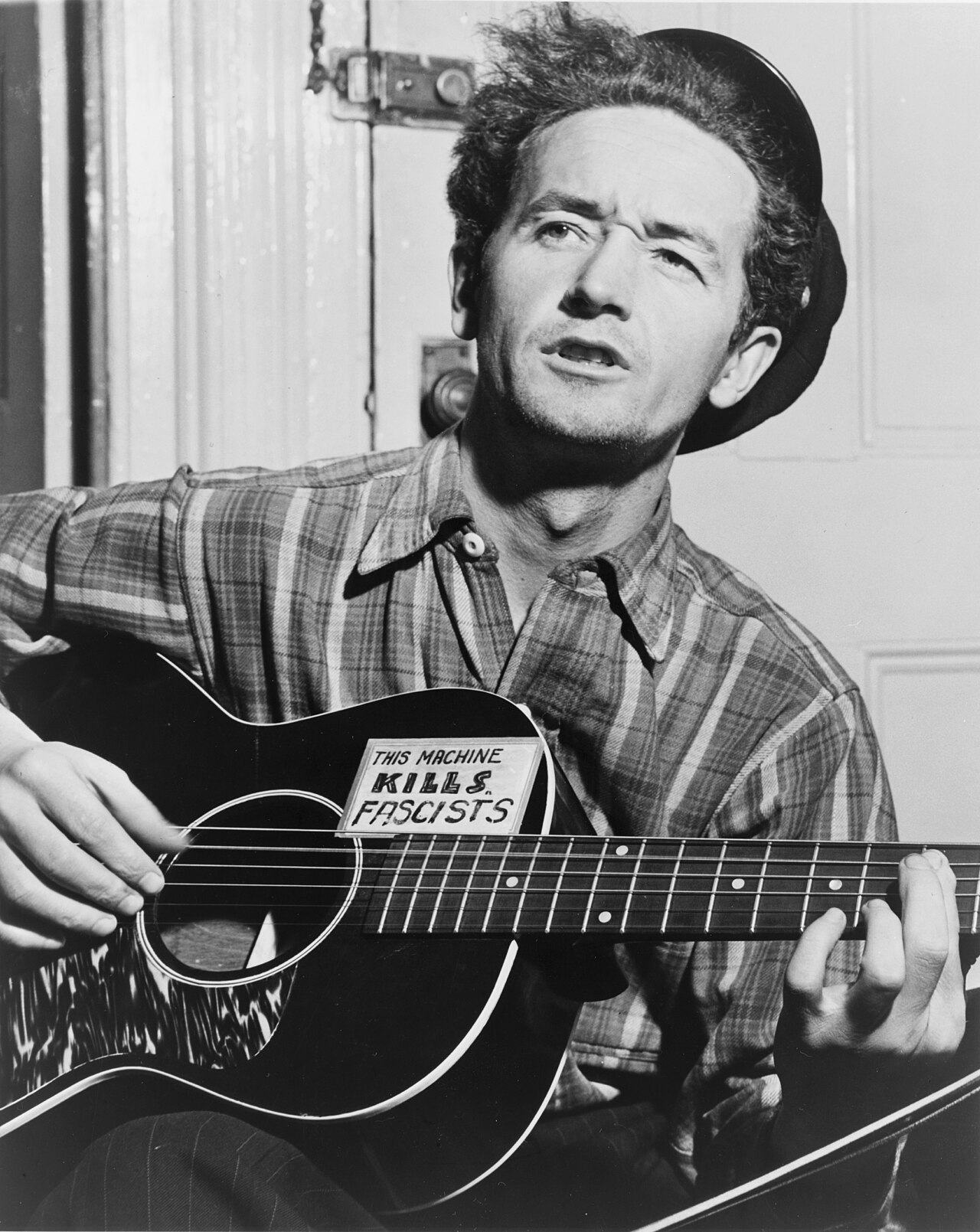
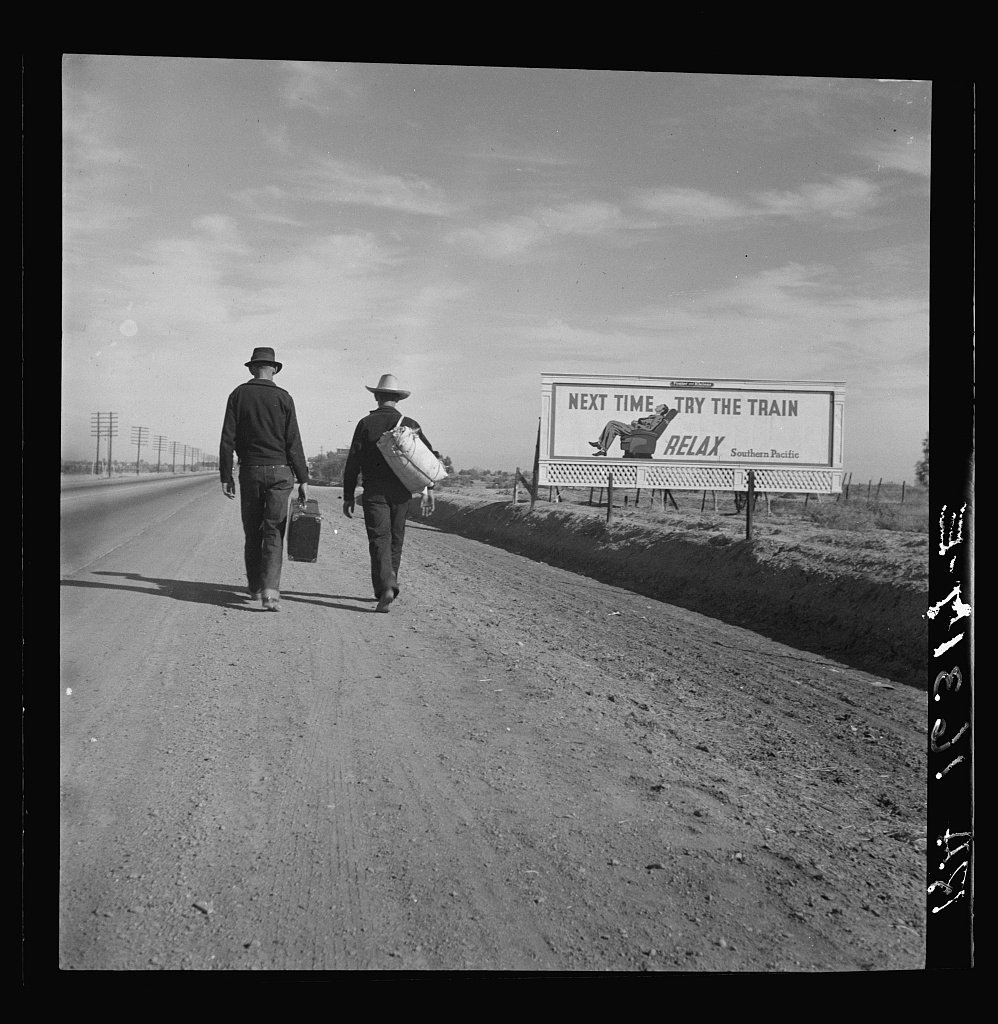
Woody Guthrie’s Dust Bowl ballads and rail songs carried migrant experience into American popular music a generation after the classic harvest circuits peaked. He was not inventing the road; he was scoring displacement that FSA cameras also framed—families westbound, bindles by the track, rumor of work in California. Printed songbooks and oral performance still worked together: a rider might know a chorus without owning the pamphlet; an organizer might sell the pamphlet for a dime. Public-domain historic scans belong in this museum; modern reprint design may reset copyright. Early commercial recordings can have separate copyrights from lyrics first published before 1930—cite the words carefully, the discs with care.

Harry Partch’s Personal Great Depression
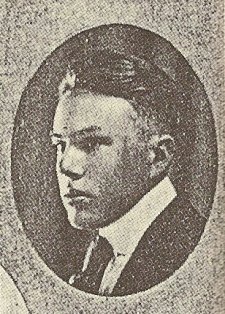
Harry Partch (1901–1974)—composer of just-intonation instruments and speech-music—spent what he later called his “personal Great Depression” from about 1935 to 1943 on and off as a transient: fruit harvests on the Pacific coast, federal works jobs, shelters, jungles, and “an incredible number of dirty dishes.” He returned from European study in 1935 to a country in hard times and chose the road rather than, in his phrase, resume begging under the apology of his music. A Guggenheim Fellowship in March 1943 ended the eight-year stretch and funded full-time composition. Those years are not a romantic sidebar to his microtones; they are the source of the pieces he later grouped as The Wayward. Pair him with the Great Depression and Boxcar kids rooms: Partch was an adult artist among the flood of transients those chapters count, not a teenager on a first freight, and his notebooks treat speech on the road as music worth notating.
Bitter Music (1935–36) is his journal of the first months of that “gypsy existence”—diary entries, drawings, and conventional musical notations of fellow hoboes’ speaking voices and songs. Partch later destroyed the original; a microfilm copy survived and was published in Thomas McGeary’s edition of Partch’s journals and essays (University of Illinois Press, 1991). The journal is prophetic of the early-1940s works even when it does not use his custom instruments.
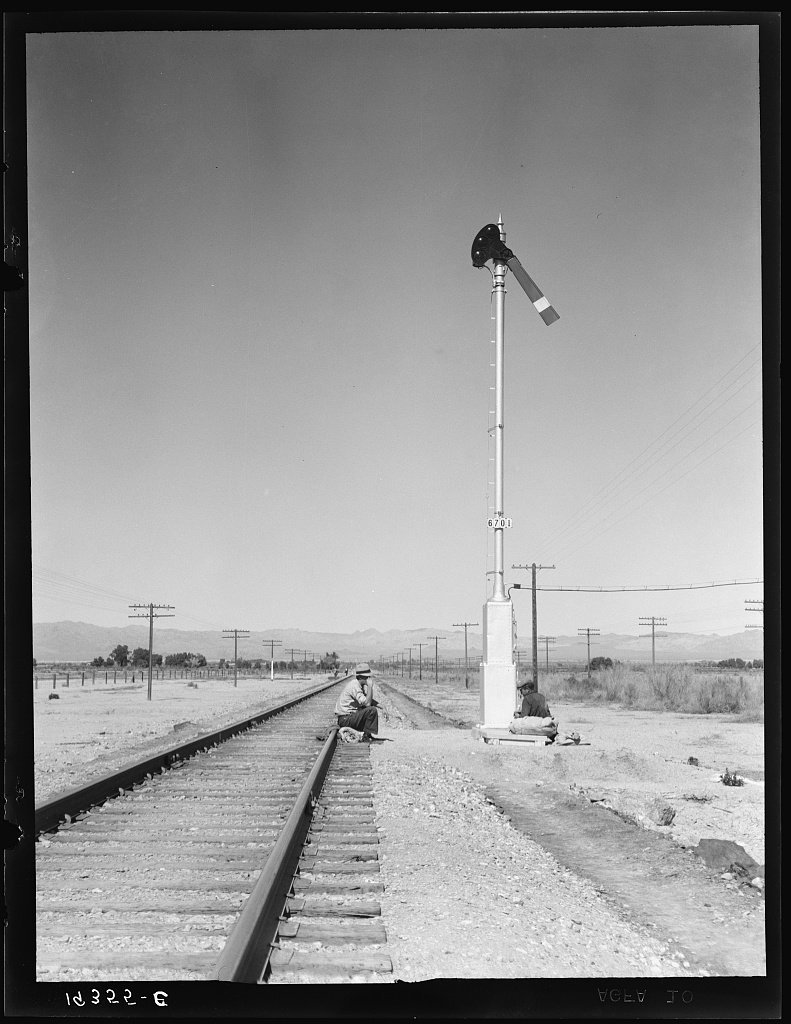
Barstow sets eight hitchhiker inscriptions Partch copied from a highway railing near Barstow, California, in February 1940—names and pleas scratched where riders waited, turned into music of spoken American English. U.S. Highball—A Musical Account of a Transcontinental Hobo Trip draws on his September 1941 freight journey from San Francisco toward Chicago: station names whimsically distorted, boxcar talk, shelter signs, hobo inscriptions, as he heard or saw them. The National Recording Preservation Board’s essay on the Gate 5 recording treats the work as autobiographical speech-music, not a tourist postcard. Together with related pieces such as The Letter (from a 1935 hobo correspondent), these compositions brought Partch to New York’s League of Composers in April 1944. He belongs in this museum not as a novelty “hobo composer” label, but as a verified transient whose art documented jungles and freights from the inside—beside McClintock’s choruses and Guthrie’s ballads, in a different tuning.

On the Page
Songs were not the only literature of the road. Jack London’s The Road (1907), Josiah Flynt’s tramp sketches, Ethel Lynn’s The Adventures of a Woman Hobo (see Women on the rails), Nels Anderson’s The Hobo (1923), and later Todd DePastino’s Citizen Hobo (2003) form a shelf that runs from memoir to sociology. Jim Tully’s Beggars of Life (1924), already opened in Life on the rails, belongs on the same shelf as hard-edged Midwestern freight narrative. Public-domain titles live in the Reading Room. Song culture dies when myths overwrite writers: McClintock’s “Hallelujah, I’m a Bum,” Hill’s union parodies, Guthrie’s migrant ballads, Partch’s Highball—each deserves the right name.

Songs and books shaped one memory of the road. Hollywood shaped another. The next room names the films—and keeps satire, biopic, and pulp from posing as a census.
See Sources for works and archives cited in this room.